


Are Premium Pet Products Worth Buying in 2026?
Table of Contents
- What Makes a Pet Product 'Premium'?
- Benefits of High-Quality Pet Food: Nutritional Adequacy and Long-Term Health
- Durability of Premium Pet Furniture: Does the Price Tag Match Real Longevity?
- How to Choose Safe Pet Toys That Actually Last
- Marketing Hype vs. Veterinary Consensus: What the Data Shows
- Cost-Benefit Analysis: When Premium Products Make Financial Sense
- Conclusion: Making the Right Choice for Your Pet
Last Updated: August 24, 2026
What Makes a Pet Product 'Premium'?
The term "premium pet products" gets thrown around so often that it's lost most of its meaning. At Pet-MALL, we define premium pet products as items engineered with superior materials, rigorous safety standards, and demonstrable durability compared to mass-market alternatives. But here's what separates genuine premium from marketing hype: premium products deliver measurable benefits in pet health, comfort, or longevity, not just a higher price tag.
A truly premium product typically features ingredient sourcing that prioritizes bioavailability, construction methods that withstand months of daily use, or design elements that address real behavioral or physiological needs. The difference between a $15 toy and a $45 toy isn't always obvious until you watch what happens when your dog gets hold of it. One disintegrates in 48 hours; the other lasts months.
The challenge is that "premium" has become marketing shorthand. Brands slap the word on products with minimal differentiation, betting that consumers will equate higher prices with higher quality. This is where the skepticism comes in, and rightfully so. The real question isn't whether premium products exist, but whether the premium you're paying actually correlates with benefits that matter for your specific pet.
Benefits of High-Quality Pet Food: Nutritional Adequacy and Long-Term Health
High-quality pet food delivers tangible advantages that budget alternatives simply cannot match, though understanding what those advantages actually are requires cutting through significant marketing noise.

The foundation of any premium pet food claim rests on nutritional adequacy, meeting the standards set by the Association of American Feed Control Officials (AAFCO). This is where many premium brands actually underdeliver. AAFCO standards establish minimum requirements for protein, fat, fiber, and essential nutrients, but meeting minimums isn't what separates premium from standard (aafco.org). The real difference lies in digestibility and bioavailability, how much of what's in the bowl actually gets absorbed and used by your pet's body.
A premium formula typically uses whole food ingredients and named animal proteins rather than by-products or meal derivatives. This matters because animal proteins have higher digestibility rates than plant-based proteins. Your cat's digestive system is optimized for meat; feeding a diet heavy in grain fillers means your pet absorbs less nutrition per bite, regardless of what the label claims.
Long-term health outcomes are where premium food shows its strongest case. Pets fed higher-quality diets over years often develop fewer digestive issues, maintain healthier skin and coat, and show better energy levels into their senior years. The catch: you won't see this difference in a month or two. Premium food's value compounds over time. Many pet owners switch to premium food only after their dog develops allergies or digestive problems, by which point, switching back to budget options often triggers flare-ups.
One insider observation: veterinary nutritionists (not veterinarians, but specialists trained specifically in animal nutrition) almost universally recommend premium formulas for pets with health conditions. The fact that premium food becomes essential once problems develop suggests it's preventative value is real, even if it's not immediately visible.
Durability of Premium Pet Furniture: Does the Price Tag Match Real Longevity?
This is where premium pet products reveal their weaknesses most clearly. Pet furniture pricing can be absurd, and durability doesn't always justify the cost.
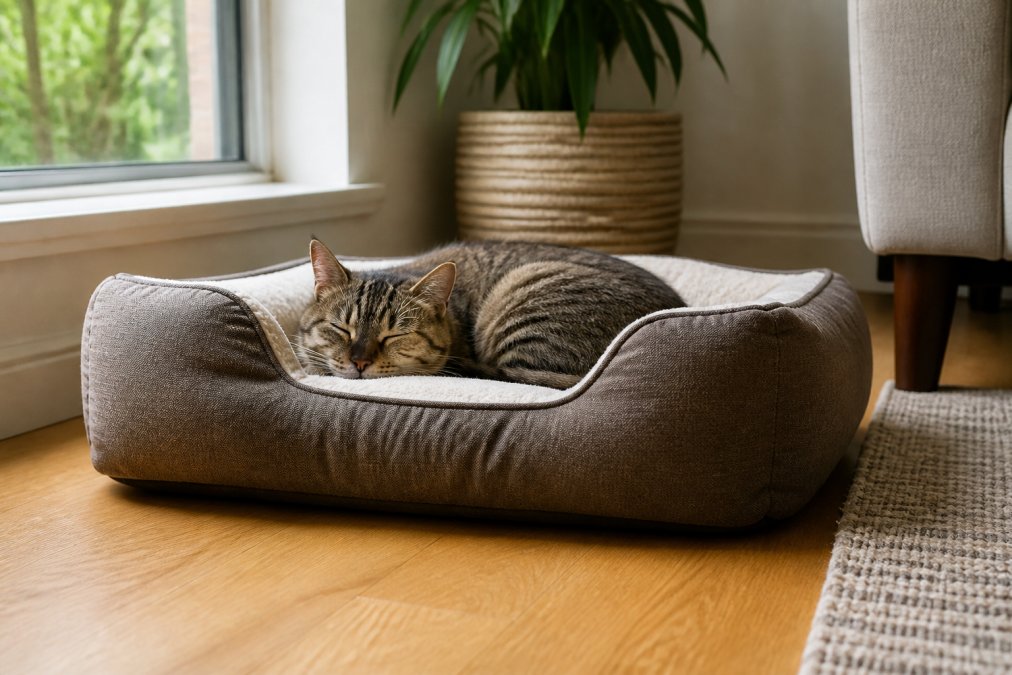
A $200 cat tree versus a $50 cat tree seems like an obvious choice for longevity. The premium version likely has thicker posts, better-quality sisal rope, and reinforced joints. But here's the reality: most cats destroy scratching surfaces through normal use within 18-24 months regardless of price point. The question isn't whether a premium cat tree lasts longer, it does, but whether the extra durability justifies triple the cost.
The math gets clearer when you factor in actual lifespan. A budget cat tree that lasts 18 months costs roughly $2.78 per month. A premium tree lasting 36 months costs roughly $5.56 per month. You're paying twice as much per month for roughly twice the durability. That's not a bargain; that's just proportional pricing.
However, premium furniture often scores higher on comfort and design. A higher-quality cat bed with better cushioning and fabric choices may genuinely improve your pet's sleep quality. A sturdier dog couch that doesn't sag after six months provides better support for aging joints. These aren't durability issues, they're quality-of-life issues. If your dog has arthritis, that premium orthopedic bed with memory foam isn't optional; it's therapeutic.
The durability claim holds strongest for furniture that experiences heavy use from multiple pets or larger dogs. A premium dog crate with reinforced welds and heavy-duty latches will outlast a budget alternative by years when you're dealing with a 90-pound dog trying to escape daily. For single small pets in calm households, the durability premium may not justify the cost.
How to Choose Safe Pet Toys That Actually Last
Pet toy safety and durability form a tight relationship, toys that fall apart shed small pieces that become choking hazards or intestinal blockages. This is where premium toy selection genuinely matters.
Start by understanding what makes a toy safe. The toy should have no detachable parts, no small pieces that can be chewed off, and materials that won't splinter or shred. This immediately eliminates many budget toys. Cheap rubber toys often contain phthalates or BPA; cheap plush toys use weak stitching that separates within days, exposing stuffing your pet shouldn't ingest (the FDA).
Premium toy manufacturers typically use veterinary-grade materials and test their products for durability under simulated heavy chewing. They also tend to replace toys that fail, a sign they're confident in their product's safety. Budget toy manufacturers rarely offer replacements, which suggests they expect failure.
The practical approach: match toy durability to your pet's chewing intensity. A dog that destroys toys in hours needs heavy-duty rubber or nylon toys designed for aggressive chewing. A gentle dog that carries toys around can use softer, less durable options. Buying a premium toy for a dog that doesn't need it wastes money. Buying a budget toy for a power chewer guarantees a safety problem.
Interactive toys, puzzle feeders, treat-dispensing toys, enrichment toys, almost always benefit from premium construction. These toys take more abuse because they're used repeatedly and intensively. A cheap puzzle feeder with weak plastic joints breaks quickly, defeating its purpose. A premium version maintains its function for years.
One common mistake: assuming size correlates with durability. A large toy isn't necessarily more durable than a small one. A tiny premium rubber toy designed for heavy chewing often outlasts a large budget plush toy. Read reviews about actual durability, not just size.
| Toy Type | Best For | Durability Expectation | Safety Priority |
|---|---|---|---|
| Rubber chew toys | Power chewers | 6-12 months heavy use | High - no detachable parts |
| Plush toys | Gentle dogs | 2-4 weeks with power chewers | High - secure stitching essential |
| Interactive/puzzle toys | Mental enrichment | 12+ months with regular use | Medium - focus on joint strength |
| Rope toys | Tug play | 4-8 weeks supervised use | High - no fraying fibers |
| Ball toys | Fetch play | 2-6 months | Medium - size must prevent choking |
Marketing Hype vs. Veterinary Consensus: What the Data Shows
This section is where the gap between claims and reality becomes impossible to ignore. Pet product marketing operates in a space where veterinary consensus and sales messaging often diverge sharply.
According to the American Veterinary Medical Association guidelines on pet nutrition, most premium pet food claims lack clinical trial backing. Brands make statements about "improved coat health," "better digestion," and "enhanced vitality" without submitting their formulas for independent testing. The AAFCO standards ensure basic nutritional adequacy, but they don't validate marketing claims.
Here's what veterinary nutritionists actually agree on: ingredient quality and digestibility matter significantly for pet health outcomes. They also agree that price doesn't always correlate with quality. A moderately priced food with excellent ingredient sourcing often outperforms an expensive brand relying on marketing over formulation.
The consensus breaks down when you move beyond food into supplements, specialty treats, and wellness products. Many premium pet supplements lack rigorous clinical evidence. A joint supplement for aging dogs might contain glucosamine and chondroitin, but whether those ingredients in that dosage actually improve joint function remains debated. Brands market these products with testimonials and anecdotal success stories, not clinical data.
This doesn't mean premium products are scams. It means the burden falls on you to distinguish between products with real benefits and products with real marketing budgets. A premium toy that lasts longer is objectively better. A premium food with demonstrably higher digestibility is objectively better. A premium supplement with no clinical trials supporting its claims is just expensive.
Cost-Benefit Analysis: When Premium Products Make Financial Sense
Not every pet needs premium products, and not every premium product makes financial sense for every owner. The decision requires honest assessment of three factors: your pet's specific needs, the actual performance difference, and your financial capacity.
Start with your pet's health status. A healthy young dog with no dietary sensitivities doesn't require premium food, a quality mid-range formula meeting AAFCO standards will serve fine. A dog with chronic digestive issues, allergies, or age-related decline often benefits measurably from premium nutrition. The cost-benefit tilts dramatically when you're preventing expensive vet visits.
Next, evaluate actual performance differences, not marketing claims. Will this premium toy genuinely last longer, or does it just cost more? Will this premium furniture provide better support, or is it just prettier? Research reviews from owners with similar pets and use cases. A toy that lasts three times longer for a power chewer is worth premium pricing. A toy that lasts 10% longer for a gentle dog probably isn't.
Finally, assess the financial math honestly. Pet-MALL offers next-day delivery and curated selections that save time hunting for quality products, but premium pricing only makes sense if the benefit exceeds the cost difference. For a single indoor cat with no health issues, premium furniture might be nice but not necessary. For a multi-pet household with active dogs, premium toys and furniture become more cost-effective because they're used intensively by multiple animals.
One framework: calculate the cost per month of use. A $150 premium dog bed lasting three years costs $4.17 per month. A $50 budget bed lasting one year costs $4.17 per month. Same cost per month, but the premium bed offers better comfort and support, which matters if your dog has joint issues. That's when premium makes sense.
The premium food calculation works similarly. A premium formula costs roughly 30-50% more than mid-range options. Over a year, that's a few hundred dollars. But if it prevents one serious digestive issue requiring vet treatment, that cost is recouped immediately. If it prevents multiple issues over your pet's lifetime, the savings multiply.
Choosing between premium and standard pet products ultimately comes down to specificity. Premium isn't inherently better, it's better when it addresses a real need for your particular pet. A healthy dog eating a quality mid-range food lives a perfectly good life. A dog with dietary sensitivities thrives on premium nutrition formulated for their condition. The difference isn't about marketing; it's about match.
Pet-MALL's curated approach to premium essentials cuts through the noise by pre-screening products for actual quality markers rather than price points alone. When you're evaluating whether premium products make sense for your pet, focus on durability, measurable performance, and alignment with your pet's actual needs, not on what the marketing promises. That's how you separate genuine value from expensive hype.
Frequently Asked Questions
Are premium pet products really better for my pet's health?
Premium products often deliver measurable benefits, but not all premium pricing reflects actual quality. High-quality pet food with proper nutritional adequacy, ingredient sourcing, and bioavailability can improve coat condition, energy levels, and digestive health. However, some premium brands rely on marketing hype rather than veterinary nutritionist formulation. Look for AAFCO standards compliance, transparent ingredient lists, and products backed by clinical trials or veterinary consensus rather than price alone.
How do I know if a premium pet product is worth the higher cost?
Compare three factors: ingredient quality and digestibility, safety protocols and certifications, and long-term value. Premium furniture and toys that last 2-3 years cost less per month than cheaper alternatives replaced every few months. For food, check if the brand employs a veterinary nutritionist, uses whole food ingredients, and avoids synthetic additives. Pet-MALL's curated selection focuses on products that deliver real durability and health outcomes, not just luxury pricing.
What should I look for when choosing between premium and budget pet products?
Evaluate the specific product category. Premium pet food backed by nutritional adequacy testing and veterinary consensus offers clearer health benefits than budget brands. Premium furniture and travel gear show measurable durability differences. However, some basic items like food bowls or simple toys may not justify premium pricing. Consider your pet's life stage, any dietary requirements, and how often you replace items. Budget-friendly alternatives with solid construction can sometimes deliver premium value without the luxury price point.
How can I tell if a pet product is truly premium or just overpriced?
Check for transparency: Does the brand list a veterinary nutritionist (for food)? Are safety protocols and food safety standards documented? Can you find independent reviews mentioning durability or health outcomes? Avoid products relying solely on marketing hype or premium packaging. Look for guaranteed analysis labels, ingredient sourcing information, and evidence of clinical trials or long-term health data. Pet-MALL's curation process includes vetting for these markers, so you can shop with confidence in actual quality rather than inflated price tags.
This article was written using GrandRanker