


How to Choose Safe Cat Toys: A Complete Guide
Table of Contents
- Understanding Cat Toy Safety Hazards
- Inspecting Toys for Wear and Tear
- Choosing Durable Cat Toys for Aggressive Chewers
- How to Supervise Cat Play Safely
- Matching Toys to Your Cat's Activity Level and Instincts
- Safe Storage and Regular Safety Audits
- What to Do If Your Cat Ingests a Foreign Object
- Conclusion
Last Updated: August 5, 2026
Understanding Cat Toy Safety Hazards
Cat toy safety begins with recognizing the specific dangers that lurk in products designed to entertain. The hazards are real and preventable, understanding them transforms you from a casual toy buyer into someone who can confidently select safe cat toys that won't land your pet in an emergency veterinary clinic.
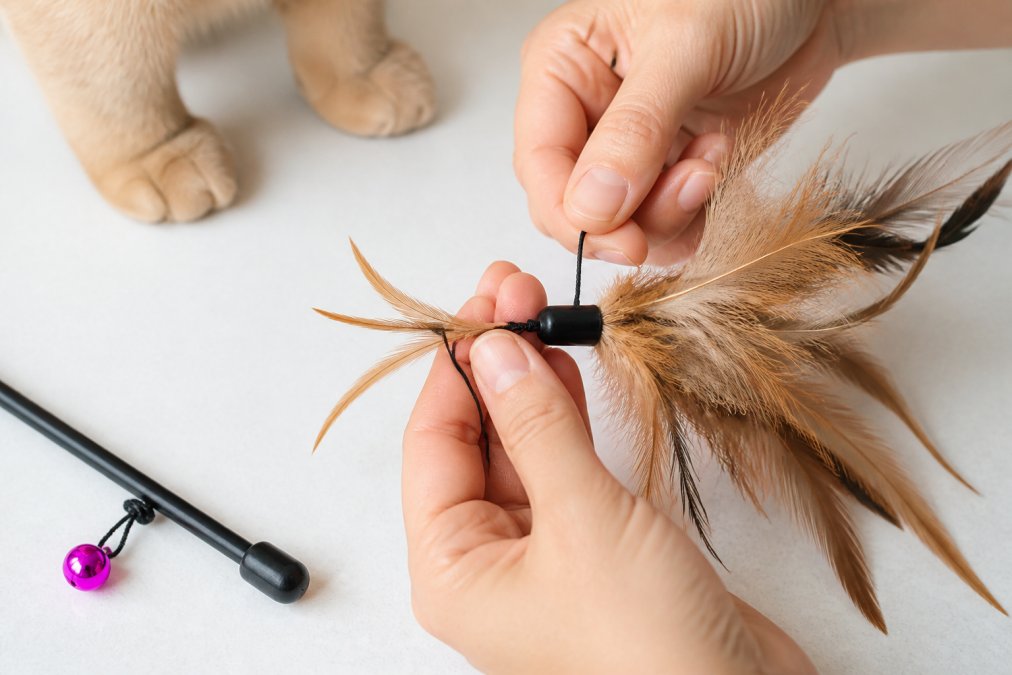
The most dangerous toys share common characteristics: they shed materials, contain small detachable parts, or have construction flaws that create choking hazards. According to the American Veterinary Medical Association's pet safety guidelines, foreign body ingestion is one of the most common surgical emergencies in cats, often caused by toys that weren't properly vetted before purchase.
Strings and Linear Foreign Bodies
Strings are deceptively dangerous. A cat's natural instinct to chase, pounce, and grab moving objects makes string-based toys irresistible, which is exactly why they're problematic. When a cat swallows string, it doesn't pass through the digestive system like other objects. Instead, it can anchor at one point in the intestines while the rest continues moving, creating a linear foreign body that bunches up the intestinal tissue like an accordion.
This condition requires emergency surgery. The string can perforate the intestinal wall, leading to peritonitis and potentially fatal outcomes. Cats with linear foreign bodies from strings show signs like vomiting, lethargy, loss of appetite, and abdominal pain, often appearing within 24-48 hours of ingestion.
The safest approach: avoid toys with loose strings entirely, or choose wand toys where the string is securely attached and you can supervise play. Never leave string-based toys unsupervised. If your cat has a history of eating non-food items (pica behavior), string toys should be off-limits completely.
Small Parts and Choking Risks
Detachable parts represent the second major hazard category. Bells, feather attachments, plastic eyes, and synthetic stuffing can all become choking hazards or cause intestinal blockages. A toy that seems sturdy when you inspect it in the store may have weak attachment points that fail during aggressive play.
Aggressive chewers are particularly at risk. Cats with high prey drive will shake, bite, and thrash toys with intensity that can dislodge components in seconds. A bell that's glued on will eventually come loose. Feathers tied with thread can separate if the knot isn't industrial-grade.
The inspection protocol is straightforward: tug every attachment point firmly. If anything moves, shifts, or shows signs of loosening, the toy isn't safe. This applies even to toys marketed as "premium" or "veterinarian-approved", marketing claims don't guarantee construction quality.
Toxic Materials and Non-Toxic Alternatives
Not all toy materials are created equal. Some synthetic dyes, plastics, and adhesives used in cheap toys can leach chemicals when chewed or ingested. Cats lack certain liver enzymes that help humans metabolize toxins, making them more vulnerable to poisoning from materials that might be considered safe for human contact.
Look for toys made from non-toxic materials: natural rubber, untreated wood, organic cotton, and food-grade silicone. Avoid toys with heavy synthetic dyes, natural, cat-safe dyes exist and responsible manufacturers use them. Adhesives matter too; water-based, non-toxic glues are standard in quality toys, while cheap products may use solvent-based adhesives that off-gas or become toxic when chewed.
When shopping, ask manufacturers directly about material composition and adhesive types. If they can't answer or deflect, that's a red flag.
Inspecting Toys for Wear and Tear
Safe cat toys require ongoing inspection, not just an initial assessment at purchase. Wear and tear creates new hazards over time. A toy that's safe on day one may become dangerous after weeks of aggressive play.
Establish a weekly safety audit routine. Pick up each toy and perform a hands-on inspection: flex it, tug attachments, check seams, look for tears or loose stuffing. Toys showing any of these signs should be removed immediately: fraying edges, separated seams, loose bells or feathers, visible stuffing protruding, cracks in plastic components, or rough edges that could cut gums.
Moisture and saliva accelerate wear. Toys that get wet frequently (from water play or being left in water bowls) degrade faster. Damp toys also harbor bacteria and mold. Dry toys thoroughly after water exposure or retire them if they can't be fully dried within 24 hours.
Document toy condition with photos if your cat has a history of ingesting foreign objects. This creates a record for your veterinarian if an emergency occurs. Knowing exactly what toys your cat had access to and when you last inspected them can speed diagnosis and treatment.
Choosing Durable Cat Toys for Aggressive Chewers
Aggressive chewers and high-prey-drive cats need toys built for intensity. Standard toys designed for casual play will fail quickly, creating hazards through deterioration. The solution isn't to give up on enrichment, it's to select toys engineered for durable cat toys that match your cat's activity level.
Aggressive chewers thrive with toys made from natural rubber, untreated leather, or reinforced fabric. Avoid anything with glued-on components. Toys with stitched or woven attachments hold up better than glued ones. Wand toys with replaceable string components are ideal because you can swap out worn sections without discarding the entire toy.
Test toys before committing to regular use. Give your cat 15-20 minutes of supervised play and watch how they interact. Do they shake it violently? Bite and thrash? Try to tear it apart? If the toy shows damage during this trial period, it won't survive regular play. Return it or remove it from rotation.
Rotate toys regularly to reduce wear on any single item. A cat with access to five toys simultaneously will distribute their play across them, extending the lifespan of each. Rotation also maintains novelty and engagement, a toy that's been put away for two weeks feels new again.
How to Supervise Cat Play Safely
Supervision transforms toy safety from passive hope into active prevention. You can't prevent every accident, but attentive supervision catches problems before they become emergencies.
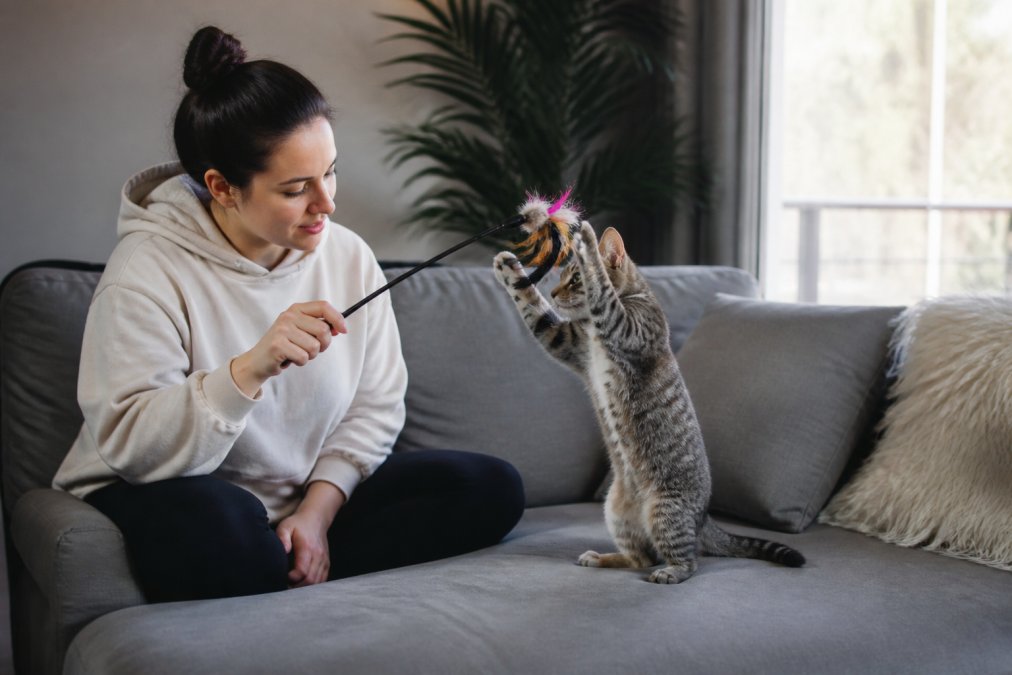
The baseline rule: never leave string-based toys, small toys, or toys with detachable parts unsupervised. If you can't watch your cat, put the toy away. This means establishing a toy storage system where dangerous toys are kept in a closed cabinet or drawer, not scattered around the house.
Interactive play sessions should be intentional, not passive. Rather than tossing a toy on the floor and letting your cat play alone, sit with them. Watch their behavior. Notice if they're trying to eat the toy rather than just batting it around. Stop play if you see signs of frustration or aggression that might lead to destructive chewing.
Interactive Play and Behavioral Enrichment
Interactive play serves dual purposes: it provides physical activity and mental stimulation while allowing you to supervise. Wand toys, laser pointers, and fetch toys all create opportunities for you to control the play session and remove toys immediately when play ends.
Behavioral enrichment through play satisfies your cat's predatory instincts in a safe, controlled way. Cats need to stalk, pounce, and "catch" prey, this is hardwired behavior, not a preference. Toys that trigger these instincts without creating hazards are the goal.
Rotate play styles. Some days use wand toys that require your active participation. Other days offer puzzle feeders that combine play with feeding. Interactive toys that dispense treats engage both hunting and problem-solving behaviors. Varying the enrichment prevents boredom and reduces the risk of your cat seeking stimulation through destructive behavior.
Recognizing Signs of Dangerous Play
Certain play behaviors signal that a toy is creating risk. Excessive chewing, attempts to tear the toy apart, or trying to eat pieces of the toy are red flags. If your cat is focused on consuming the toy rather than playing with it, remove it immediately.
Obsessive behavior around a toy also warrants concern. Some cats become fixated on specific toys, playing with them constantly and refusing other enrichment. This intensity can lead to rapid wear and ingestion risk. Limiting access to obsession-triggering toys and substituting alternatives helps break the cycle.
Watch for behavioral changes after play sessions. If your cat seems lethargic, vomits, loses appetite, or shows abdominal discomfort within 24-48 hours of playing with a new toy, contact your veterinarian. These symptoms can indicate foreign body ingestion, and early intervention dramatically improves outcomes.
Matching Toys to Your Cat's Activity Level and Instincts
Not all cats have the same play style. Kittens and young adults have higher energy and prey drive than senior cats. Indoor cats with limited environmental stimulation may play more intensely than cats with outdoor access. Matching toys to your cat's actual behavior prevents frustration and reduces hazards.
High-energy cats need toys that satisfy predatory behavior: wand toys with feathers or small fabric prey items, interactive laser toys, and balls they can chase. These cats will destroy poorly-made toys quickly, so durability becomes critical. Invest in well-constructed options rather than cheap alternatives that fail after a few play sessions.
Low-energy or senior cats prefer toys requiring less intensity: soft plush toys (without detachable parts), catnip-filled toys, and toys they can bat around slowly. These cats are less likely to destroy toys through aggressive play, but they still need regular inspection for age-related deterioration.
Cats with natural feline instincts toward water play can use special water-safe toys, but these require extra care. Water exposure accelerates wear and creates mold risk. Dry water toys thoroughly after each session or retire them if drying is inconsistent.
Safe Storage and Regular Safety Audits
Where you store toys matters as much as which toys you choose. Toys left scattered around the house create opportunities for unsupervised play and increase ingestion risk. A dedicated toy storage system keeps dangerous items contained and accessible only during supervised play.
Use a closed container or cabinet for toys with strings, small parts, or detachable components. Clear plastic bins work well because you can see contents without opening them. Label bins by toy type: "supervised play only," "safe for solo play," "interactive wand toys." This system helps everyone in your household understand which toys require oversight.
Implement a monthly safety audit beyond your weekly inspections. Pull out every toy, inspect it thoroughly, and document condition. Retire any toy showing wear. This systematic approach catches deterioration you might miss during casual play.
Keep records of toy purchases and when you introduce new toys. If your cat experiences a medical emergency related to foreign body ingestion, knowing the timeline and which toys were in circulation helps your veterinarian narrow diagnostic possibilities. A simple spreadsheet or notes in your phone work fine.
What to Do If Your Cat Ingests a Foreign Object
Despite your best efforts, ingestion can still happen. Knowing how to respond minimizes harm and improves outcomes. The first 24 hours are critical.
Contact your veterinarian immediately if you suspect ingestion. Don't wait to see if symptoms develop. Your vet can assess risk based on what was ingested, your cat's size, and the object's characteristics. Depending on the situation, your vet might recommend monitoring, induced vomiting, or imaging studies like X-rays or ultrasound.
Never induce vomiting at home without veterinary guidance. Some objects are more dangerous coming back up than going down. Sharp objects or caustic materials can cause additional damage during vomiting. Your vet will determine whether inducing vomiting is appropriate.
If your cat shows signs of foreign body obstruction, vomiting, lethargy, loss of appetite, abdominal pain, or straining to defecate, seek emergency veterinary care immediately. Obstruction is a surgical emergency. The longer the delay, the greater the risk of intestinal perforation, infection, and death.
Linear foreign bodies like string are particularly urgent. If you see string hanging from your cat's mouth or anus, do not pull it. Contact your veterinarian immediately. Pulling can cause additional intestinal damage. Your vet will remove it carefully, usually under anesthesia, checking for internal damage as they go.
Prevention through careful toy selection and supervision is always preferable to emergency intervention. The cost of a toy replacement is trivial compared to emergency surgery, which can exceed several thousand dollars.
Choosing safe cat toys requires vigilance, but it's one of the most important investments in your cat's health and longevity. The hazards are real, but they're preventable through informed selection, regular inspection, and active supervision. Start with toys from trusted sources, inspect them regularly, supervise play sessions, and remove any toy showing wear. Your cat's safety depends on it.
Frequently Asked Questions
What cat toys are considered dangerous?
Toys with loose strings, detachable bells, or small parts pose choking and ingestion risks. Toys made from toxic synthetic materials, those with sharp edges, or items containing mylar strips are also hazardous. Avoid toys with loose stuffing and always inspect for wear and tear before giving them to your cat. Interactive wand toys should never be left unsupervised, as cats can swallow string accidentally during play.
How do I know if a cat toy is non-toxic?
Check the product label for non-toxic certifications and materials like natural rubber, untreated wood, or cat-safe dyes. Avoid toys with synthetic stuffing that contains harmful chemicals. Look for toys from reputable manufacturers who disclose their material sourcing. If a toy lacks clear material information, contact the seller before purchasing. Trusted retailers like Pet-MALL vet their products for safety and material integrity.
Are string toys safe for cats?
String toys are safe only during supervised interactive play with direct human control. Never leave string toys unattended with your cat, as cats can swallow string, causing a linear foreign body obstruction, a serious veterinary emergency. Wand toys with securely attached strings are safer than loose string toys. Always store string toys out of reach after play sessions. If your cat has a history of eating string, avoid these toys altogether.
What should I do if my cat swallows a toy or toy part?
Contact your veterinarian immediately if you suspect ingestion. Watch for vomiting, lethargy, loss of appetite, or abdominal pain, signs of a foreign body obstruction. Do not wait for symptoms to develop; some ingestions become life-threatening within hours. Your vet may recommend X-rays or ultrasound to confirm the obstruction. In cases of linear foreign bodies like string, surgery is often necessary. Prompt veterinary care significantly improves outcomes and prevents serious complications.
This article was written using GrandRanker