


How to Clean Pet Furniture: A Step-by-Step Guide
Table of Contents
- What You'll Need to Clean Pet Furniture
- How to Remove Pet Hair From Fabric Furniture
- Spot Cleaning Pet Stains and Odors
- Removing Pet Urine From Couch Cushions
- Best Pet-Safe Upholstery Cleaner Solutions
- Deep Cleaning and Preventative Maintenance
- When to Call a Professional vs. DIY Cleaning
- Common Mistakes to Avoid When Cleaning Pet Furniture
Last Updated: August 9, 2026
What You'll Need to Clean Pet Furniture
Cleaning pet furniture effectively starts with having the right tools on hand. Before tackling stains or deep cleaning, gather supplies that work together to remove hair, odors, and embedded dirt without damaging fabric or harming your pet.
Essential tools include a vacuum with an upholstery attachment, a lint roller for surface hair removal, and soft-bristled brushes designed for fabric care. You'll also want clean white cloths or towels for blotting, a spray bottle for applying cleaning solutions, and a small bowl for mixing. Many pet owners find that enzymatic cleaners specifically formulated for pet stains work better than general-purpose solutions, though DIY alternatives using white vinegar and baking soda are effective and budget-friendly.
The choice between commercial and homemade solutions depends on your fabric type and the severity of stains. Microfiber upholstery, for example, requires gentler treatment than synthetic blends. Having both options available means you can match the solution to the specific cleaning challenge.
How to Remove Pet Hair From Fabric Furniture
The first step in maintaining clean pet furniture is removing loose hair before it becomes embedded in fabric fibers. Pet hair accumulates quickly on upholstered surfaces, especially with shedding seasons, and addressing it regularly prevents matting and odor buildup.
Start by vacuuming thoroughly with an upholstery attachment. Use slow, overlapping strokes to lift hair from the surface and shallow pile. Pay special attention to seams, cushion crevices, and areas where your pet rests most frequently. For stubborn hair that doesn't come up with vacuuming alone, a lint roller works effectively on fabric surfaces.
An upholstery brush with stiff but not harsh bristles helps loosen hair trapped in deeper fibers. Brush in one direction using moderate pressure, then vacuum again to capture the loosened hair. This two-step approach removes significantly more hair than vacuuming alone.
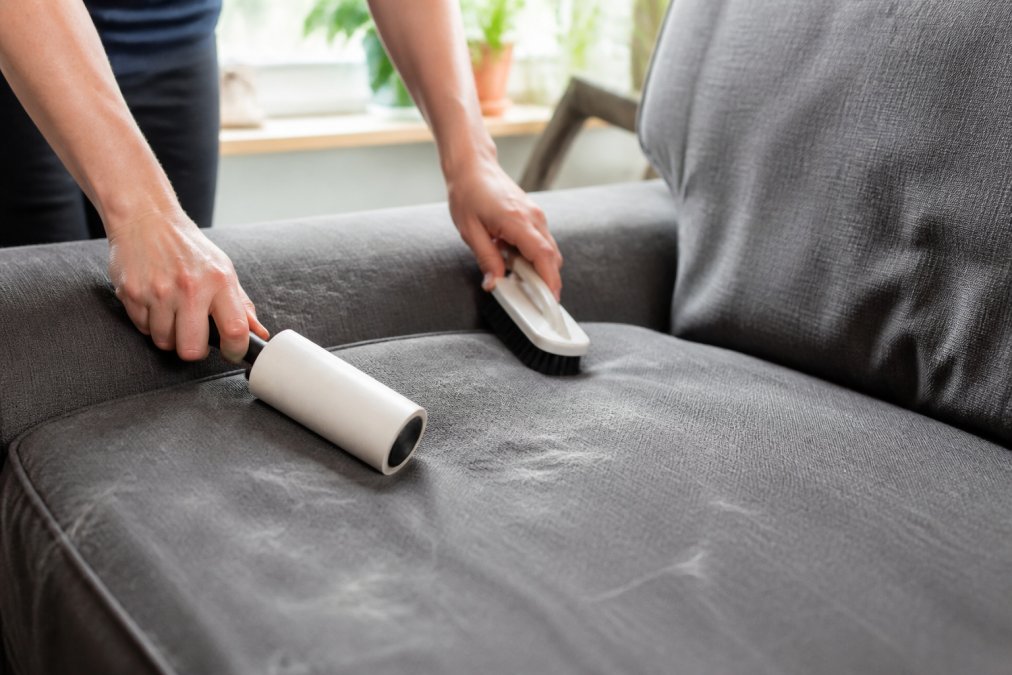
For microfiber and delicate fabrics, avoid wire-bristled brushes that can snag or damage fibers. Instead, use soft rubber brooms or specialized pet hair removal tools designed for sensitive upholstery. These tools grip hair without pulling at fabric.
Regular removal prevents hair from becoming compressed into the weave, which makes later deep cleaning harder. Most pet owners find that weekly hair removal keeps furniture manageable and reduces the need for intensive cleaning sessions.
Spot Cleaning Pet Stains and Odors
Pet accidents happen, and quick action prevents stains from setting permanently into fabric. The key is blotting rather than rubbing, which prevents the stain from spreading deeper into upholstery fibers.
When you notice a fresh stain, blot immediately with a clean, damp cloth. Press down firmly to absorb as much liquid as possible without scrubbing. This blotting action lifts the stain to the surface rather than pushing it deeper into the fabric weave.
For visible stains, mix a solution of one part white vinegar to three parts water. Spray the mixture lightly onto the stained area and let it sit for 5-10 minutes. The acidity in vinegar helps neutralize odors while breaking down stain compounds. Blot again with a clean cloth, working from the outside edge of the stain toward the center to prevent spreading.
Baking soda acts as a natural deodorizer and mild abrasive. After treating with vinegar solution and blotting dry, sprinkle baking soda generously over the area. Leave it for 15-30 minutes to absorb remaining odors and moisture, then vacuum thoroughly. This combination tackles both visible stains and embedded odor.
For stubborn or set-in stains, a pet-safe enzymatic cleaner breaks down organic compounds more effectively than vinegar alone. These cleaners contain beneficial bacteria that consume the organic material causing stains and odors. Follow product instructions for application and drying time, as enzymatic cleaners need moisture to work effectively.
Removing Pet Urine From Couch Cushions
Pet urine presents a unique challenge because it soaks deep into cushion padding and can cause permanent odor if not treated properly. Urine saturation requires more aggressive treatment than surface stains, and addressing it quickly prevents bacterial growth and lasting smell.
When you discover fresh urine, blot as much liquid as possible immediately. Use paper towels or absorbent cloth to press down and lift moisture. The longer urine sits in cushion padding, the deeper it penetrates and the harder it becomes to remove completely.
For cushions that can be removed, take them outside and place in direct sunlight. UV light naturally kills bacteria and helps dry the padding. While cushions dry, treat the couch frame underneath with the same vinegar and baking soda approach used for surface stains.
If cushions cannot be removed, apply an enzymatic cleaner designed specifically for pet urine. These cleaners are formulated to break down uric acid, which is the compound responsible for urine's persistent odor. Spray the solution onto affected areas and allow it to soak for the time recommended on the product label, typically 10-15 minutes. Blot thoroughly with clean cloths, pressing down to remove as much liquid as possible.
After enzymatic treatment, sprinkle baking soda over the damp area and let it sit overnight or for several hours. The baking soda absorbs remaining moisture and odor compounds. Vacuum completely the next day, ensuring all baking soda residue is removed.
For severe urine saturation that creates dark stains or persistent odors despite treatment, professional cleaning may be necessary. Professional equipment can extract moisture from deep within cushion padding more effectively than household methods.
Best Pet-Safe Upholstery Cleaner Solutions
The most effective cleaning solutions for pet furniture balance stain removal with safety for your pets. Pet-safe options avoid harsh chemicals while still addressing the organic compounds in pet accidents and general dirt.
DIY solutions using common household ingredients work well for routine cleaning and minor stains. White vinegar mixed with water creates an acidic solution that cuts through grease and neutralizes odors. Baking soda acts as a natural deodorizer and mild abrasive for textured cleaning. Dishwashing liquid mixed with water creates a gentle cleaning solution suitable for most fabrics when used sparingly.
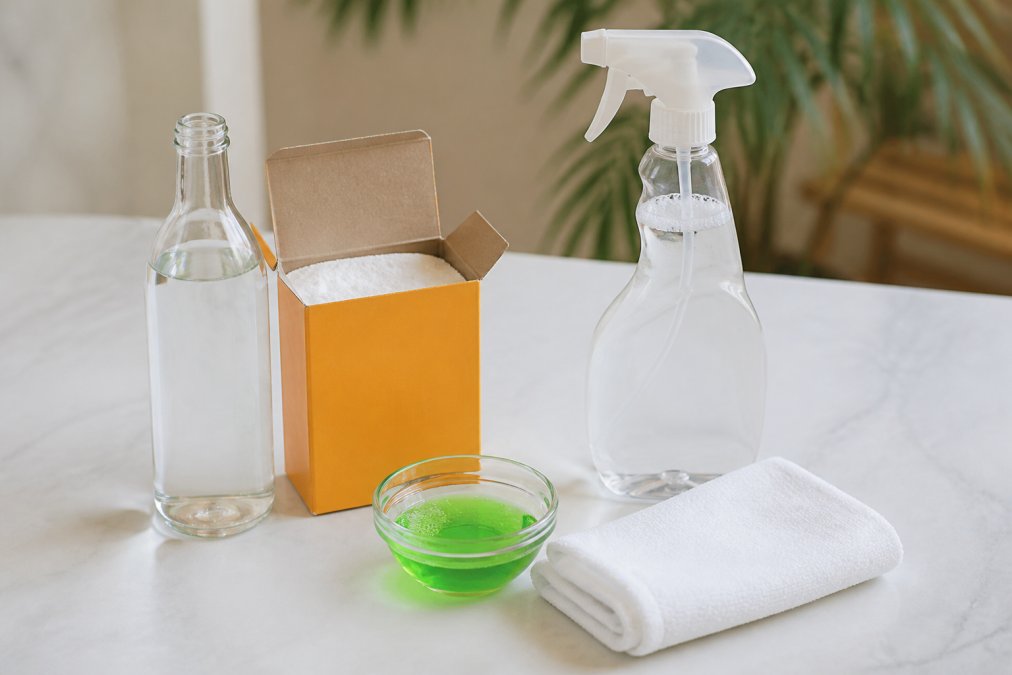
A simple DIY solution combines one tablespoon of dishwashing liquid with two cups of water and a few drops of white vinegar. Spray lightly onto stains, let sit briefly, and blot thoroughly. This mixture cleans without leaving residue that attracts dirt or harms fabric.
For deeper cleaning, enzymatic cleaners specifically formulated for pet stains offer superior odor elimination. These products contain beneficial bacteria that consume organic compounds rather than simply masking odors. Pet-safe enzymatic cleaners are widely available and work on most upholstery types when used according to directions.
Commercial pet-safe upholstery cleaners vary in formulation, but the best options are pH-balanced and free of harsh solvents. Look for products labeled as non-toxic and safe for pets, which indicates they've been tested for safety around animals. These cleaners often combine enzymatic action with natural deodorizing ingredients.
When choosing any cleaner, consider your furniture's fabric type. Microfiber requires gentler solutions than synthetic blends. Natural fibers like cotton or wool benefit from pH-balanced cleaners that won't damage delicate fibers. Test any solution on a hidden area before treating visible stains to ensure compatibility.
Deep Cleaning and Preventative Maintenance
Regular deep cleaning extends furniture life and maintains a fresh, clean environment for both pets and owners. Deep cleaning goes beyond spot treatment to address accumulated dirt, dander, and odor embedded throughout upholstery.
Schedule deep cleaning every 3-6 months depending on pet activity level and furniture usage. Homes with multiple pets or pets that spend significant time on furniture benefit from quarterly deep cleaning. Single-pet households with moderate furniture use can extend intervals to six months.
For deep cleaning, start by vacuuming thoroughly with an upholstery attachment, paying special attention to seams and crevices where dander and debris accumulate. Follow with a lint roller to remove surface hair. This preparation removes loose debris that would interfere with chemical cleaning.
Apply your chosen cleaning solution across the entire furniture piece, not just stained areas. Use a spray bottle to distribute solution evenly, then work in sections using a soft brush to agitate the fabric gently. Allow the solution to sit for 10-15 minutes, which gives it time to break down embedded dirt and odors.
Blot thoroughly with clean, damp cloths, changing cloths frequently to avoid reapplying dirty water. Work from one end of the furniture to the other systematically. After initial blotting, use slightly damp cloths for a final rinse to remove any cleaning solution residue that could attract dirt.
Allow furniture to dry completely before pets use it again, ideally 24 hours. Open windows or use fans to accelerate drying. Moisture left in cushions can promote mildew and odor growth, so ensure thorough drying.
Preventative maintenance between deep cleans keeps furniture cleaner longer. Use washable furniture covers or throws that can be removed and laundered regularly. These protect underlying upholstery from direct contact with pet hair, dander, and occasional accidents.
Brush your pet regularly to reduce shedding and dander. Daily brushing during shedding seasons significantly decreases the amount of hair and skin cells deposited on furniture. This simple step reduces both cleaning frequency and the intensity required.
When to Call a Professional vs. DIY Cleaning
Understanding when professional cleaning is necessary versus when DIY methods suffice saves money and prevents furniture damage. Professional services excel at challenges beyond household equipment capabilities.
DIY cleaning works well for routine maintenance, fresh spills, and minor stains. If you address accidents quickly and maintain regular vacuuming and spot cleaning, household methods handle most situations. The investment in basic supplies and regular effort prevents problems from becoming severe.
Professional cleaning becomes worthwhile when DIY efforts fail to eliminate persistent odors, when urine saturation has penetrated deep into cushion padding, or when furniture requires specialized treatment. Professional equipment extracts moisture from deep within upholstery more effectively than household methods, which is critical for urine saturation where bacteria and odor compounds have embedded deeply.
Certain fabric types benefit from professional care. Delicate natural fibers like silk or wool, expensive upholstery, or antique pieces warrant professional expertise to prevent damage. Professional cleaners understand fabric-specific requirements and can treat challenging materials safely.
Pet-MALL offers premium furniture designed for easy cleaning and durability with pets. Their curated selection includes pieces with fabric treatments that resist staining and odor absorption, reducing cleaning frequency and intensity required. Investing in quality pet-friendly furniture from the start reduces long-term cleaning challenges.
For valuable or heavily soiled furniture, professional cleaning costs less than replacement. Professional services typically cost more than DIY approaches but deliver superior results for severe situations. Consider professional cleaning an investment in furniture longevity when DIY methods have been exhausted.
Common Mistakes to Avoid When Cleaning Pet Furniture
Many well-intentioned cleaning efforts actually damage furniture or spread problems rather than solving them. Understanding common mistakes prevents wasting time and effort on ineffective methods.
Rubbing or scrubbing stains drives them deeper into fabric fibers rather than lifting them out. The correct approach is blotting, which absorbs stain material without pushing it deeper. Scrubbing also damages fabric fibers and can cause pilling or fraying on delicate upholstery.
Using too much water or cleaning solution leaves furniture damp, which promotes mildew growth and extends drying time. Apply solutions sparingly and focus on thorough blotting rather than heavy saturation. Excess moisture in cushion padding creates conditions for bacterial growth and persistent odors.
Applying heat before stains are fully removed sets them permanently. Never use a hair dryer or heat source on wet stains, as heat causes organic compounds to bond permanently with fabric fibers. Allow furniture to air dry completely after cleaning.
Mixing cleaning products creates chemical reactions that can damage fabric or release harmful fumes. Never combine vinegar with commercial cleaners, bleach, or other products unless specifically directed by product instructions. Stick with single-product approaches or use pre-formulated pet-safe cleaners designed to work safely.
Ignoring fresh accidents allows them to set and become exponentially harder to remove. Fresh stains respond to simple blotting and light cleaning, while set-in stains require intensive treatment or professional help. Address accidents immediately when discovered.
Using non-pet-safe cleaners risks poisoning your pet through skin contact or inhalation. Some household cleaners contain chemicals toxic to dogs and cats. Always verify products are labeled pet-safe, and avoid products with harsh solvents or bleach.
Failing to test solutions on hidden areas before treating visible stains can result in discoloration or fabric damage. Spend two minutes testing on a couch underside or cushion back to ensure compatibility before treating obvious areas.
Maintaining clean pet furniture requires consistent effort and the right approach, but the reward is a fresh, hygienic environment for your pets. Regular vacuuming, prompt stain treatment, and periodic deep cleaning prevent problems from becoming overwhelming. Pet-MALL's curated selection of premium pet furniture includes pieces designed with pet owners in mind, featuring fabrics and construction that simplify cleaning and withstand active pet use. Start with quality furniture that's easy to maintain, combine it with smart cleaning habits, and you'll keep your home fresh while your pets enjoy comfortable, clean spaces.
Frequently Asked Questions
What is the best way to remove pet odor from furniture?
Enzymatic cleaners break down the compounds causing odors, making them highly effective for pet odor neutralization. Baking soda also works well: sprinkle it on affected areas, let it sit for 15 minutes, then vacuum thoroughly. For urine odors specifically, white vinegar mixed with water (1:1 ratio) neutralizes the smell naturally. Always blot rather than rub, and ensure the furniture dries completely to prevent odor from returning.
Can I use vinegar to clean pet urine from upholstery?
Yes, white vinegar is a pet-safe alternative for treating urine stains. Mix equal parts vinegar and water, apply to the stain with a spray bottle, let it sit for 10-15 minutes, then blot with a damp cloth. Vinegar neutralizes the acidic compounds in urine and helps eliminate odors. However, enzymatic cleaners are often more effective for deep saturation, especially on cushion covers where urine has soaked through.
How often should I deep clean furniture with pets in the house?
Most pet owners benefit from deep cleaning upholstery every 3-6 months, depending on pet traffic and shedding. High-traffic furniture or homes with multiple pets may need quarterly deep cleaning. Regular preventative care, weekly vacuuming with an upholstery attachment and monthly spot treatments, extends the time between deep cleans and keeps your furniture fresher longer.
Are enzymatic cleaners safe for all furniture fabrics?
Enzymatic cleaners work well on most synthetic fibers and natural fibers like cotton and linen, but always test on a hidden area first. Some delicate fabrics may be sensitive to moisture or specific cleaning solutions. Check your furniture's care label before applying any cleaner. For valuable or antique pieces, consider professional cleaning to avoid damage.
This article was written using GrandRanker