


Why Premium Pet Products Last Longer
Table of Contents
- The Real Difference: Premium vs. Budget Pet Products
- How Material Quality Affects Durable Pet Toy Materials
- Nutritional Density and Long-Term Health Outcomes
- Cost-Benefit Analysis of Premium Pet Food Over Time
- Manufacturing Standards and Quality Assurance
- How to Choose Long-Lasting Pet Products That Work
- Common Myths About Premium Pet Product Longevity
- Conclusion
Last Updated: August 13, 2026
The Real Difference: Premium vs. Budget Pet Products
When shopping for pet supplies, the price gap between premium and budget options is significant. A premium dog toy costs three times what a basic rubber ball does. Premium pet food runs substantially higher per pound than standard formulas. The question every pet owner asks: is the durability worth it?
The answer isn't about marketing. It's about material science, ingredient sourcing, and manufacturing rigor. Why premium pet products last longer comes down to how they're made, what goes into them, and the quality controls that prevent early failure. The difference starts at the material level. Premium pet toys use engineered polymers designed to resist tearing and puncture. Budget toys use cheaper rubber compounds that degrade quickly under stress. Premium pet food contains nutrient-dense ingredients that maintain their integrity during storage and digestion. Budget formulas use fillers and lower-grade proteins that break down faster in your pet's system.
But durability isn't just about materials, it's about consistency. Premium manufacturers maintain tighter quality assurance standards, batch testing, and ingredient verification. Budget manufacturers often cut corners on these processes to hit lower price points. The result: premium products perform predictably across every unit you buy. Budget products vary widely from package to package.
This is where the cost-benefit analysis shifts. Buying one premium toy that lasts six months beats replacing a budget toy every three weeks. Feeding premium food that supports long-term metabolic health costs more upfront but can prevent expensive veterinary bills later.
How Material Quality Affects Durable Pet Toy Materials
The materials used in pet toys determine how long they survive your pet's teeth, claws, and constant play. Durable pet toy materials rely on specific polymer compositions and manufacturing techniques that budget alternatives simply don't employ.
Premium toys use reinforced nylon, natural rubber compounds, and engineered elastomers selected for resistance to puncture, tearing, and UV degradation. They maintain their shape and integrity even after months of chewing and throwing. Budget toys typically use virgin or recycled plastics and lower-grade rubber that degrades quickly under mechanical stress and becomes brittle over time.
The manufacturing process matters equally. Premium toys are injection-molded under controlled conditions with consistent pressure and temperature, creating uniform material density throughout. Budget toys are often made through cheaper extrusion or compression processes that create weak points and inconsistent thickness where toys fail first.
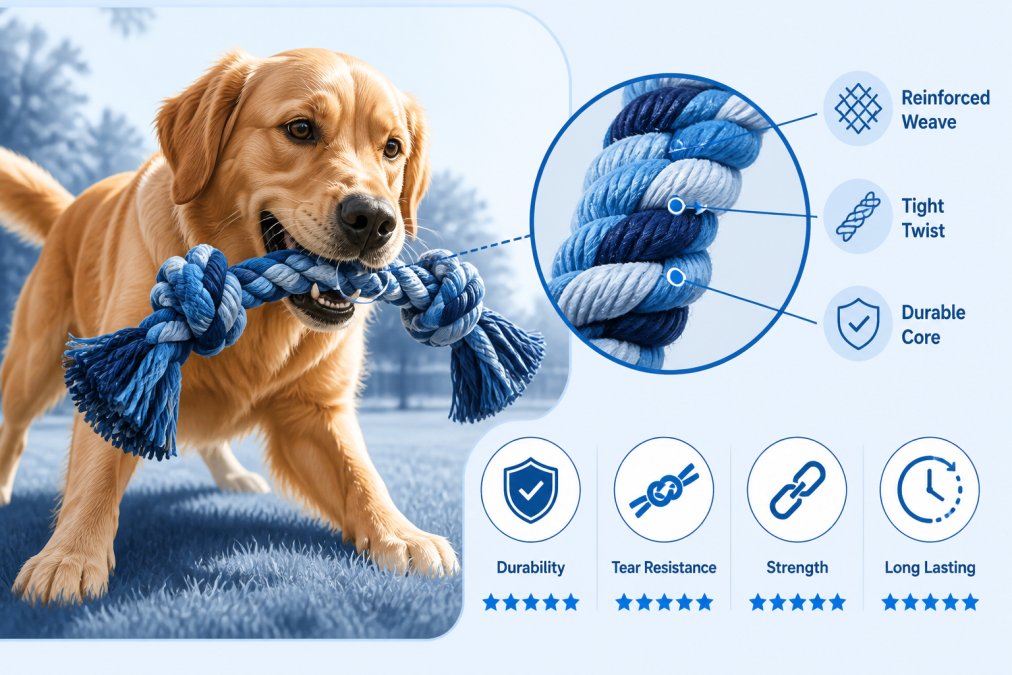
Premium manufacturers also use additives that enhance durability without compromising safety: UV stabilizers prevent sun damage, plasticizers improve flexibility, and colorants resist fading. Budget manufacturers skip these additives to reduce costs, resulting in toys that look worn within weeks.
Premium toys maintain their structural integrity for months or years in storage, while budget toys can begin degrading immediately after manufacture, especially in warm or humid conditions.
Nutritional Density and Long-Term Health Outcomes
Pet food is where the durability argument extends beyond physical longevity into metabolic health. Premium pet products last longer partly because they support your pet's long-term wellness, reducing the need for therapeutic interventions that premium food can help prevent.
Premium pet food contains higher concentrations of bioavailable nutrients that your pet's digestive system can actually absorb and use efficiently. The protein sources are identifiable and of consistent quality. The fats are stabilized with natural preservatives rather than synthetic ones. When your pet consumes premium food, their metabolic health improves measurably: coat quality becomes shinier, energy levels stabilize, and digestion becomes more efficient.
Budget pet food relies on ingredient fillers like corn, soy, and wheat byproducts to create volume at low cost. These ingredients have lower bioavailability, meaning your pet needs to eat more to get the same nutritional benefit. The result: more waste, more digestive strain, and less stable energy throughout the day.
Premium foods use natural preservatives like mixed tocopherols or rosemary extract that break down in the digestive system without residual buildup. Budget foods often use synthetic preservatives like BHA, BHT, or ethoxyquin that accumulate in your pet's system over time.
Premium manufacturers use the same ingredient sources and ratios from batch to batch, allowing your pet's digestive system to adapt to consistent nutrition. Budget manufacturers change ingredient sources based on cost fluctuations, which means your pet's food composition changes unpredictably.
Cost-Benefit Analysis of Premium Pet Food Over Time
The cost-benefit analysis of premium pet food requires looking beyond the per-pound price to the actual lifetime cost of pet ownership. When you factor in durability, health outcomes, and preventative care, premium food often costs less over your pet's lifetime than budget alternatives.
A premium dog food might cost 40-60% more per pound than budget options, but your dog eats less of it because the nutrient density is higher. A dog on premium food typically consumes 15-25% less food by weight to maintain optimal health, partially offsetting the higher per-pound cost.
The real savings come from prevented health issues. Pets fed premium food from an early age have lower rates of chronic disease and visit the veterinarian less frequently for digestive issues, skin problems, or metabolic disorders. A single veterinary visit for a chronic condition costs more than months of premium food.
Consider the cost-per-feeding calculation. Premium food might cost $2-3 per day for a medium dog versus $0.75-1.25 per day for budget food. Over a year, that's a $500-800 difference. But if premium food prevents even one significant health issue requiring veterinary treatment, that savings evaporates immediately. Most premium food advocates report fewer vet visits overall, creating substantial long-term savings.
Pets fed premium food tend to live longer, healthier lives. A pet that lives two years longer due to better nutrition represents years of additional companionship and quality of life. Premium food also maintains nutritional integrity longer in storage, meaning you're getting more usable nutrition even if you buy the same volume.
Manufacturing Standards and Quality Assurance
Premium pet products undergo manufacturing processes that budget products simply don't. Why premium pet products last longer is directly tied to the quality assurance protocols that premium manufacturers enforce at every production stage.
Premium manufacturers implement batch testing, where samples from each production batch are tested for consistency, contamination, and nutritional accuracy. Budget manufacturers typically test finished products randomly, if at all. Premium manufacturers maintain relationships with verified suppliers and conduct regular audits of sourcing practices. Budget manufacturers often source from commodity markets where ingredient quality can vary widely.
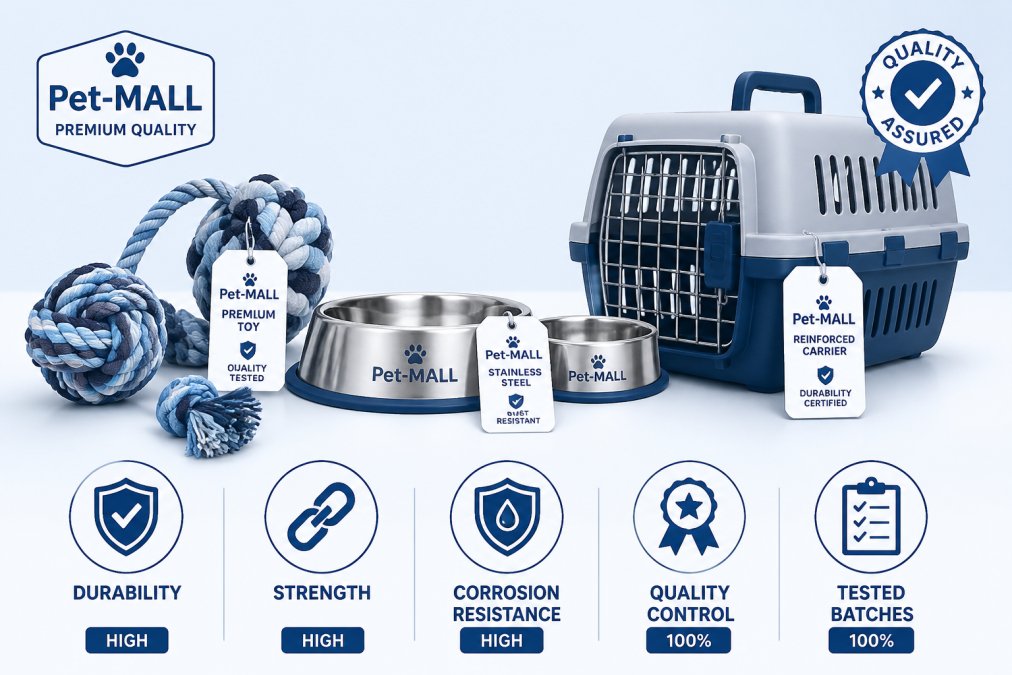
Quality control extends to manufacturing equipment. Premium facilities maintain stricter equipment calibration and cleaning protocols, preventing cross-contamination and ensuring consistent product dimensions. Budget facilities operate with looser tolerances, allowing more variation between units.
Premium manufacturers often exceed minimum regulatory requirements, pursuing third-party certifications and conducting additional safety testing. Budget manufacturers typically meet minimum legal standards and nothing more. Premium manufacturers maintain detailed records of ingredient sources, batch testing results, and manufacturing parameters, enabling traceability if safety issues emerge. Budget manufacturers often lack this documentation.
Premium toys are tested for choking hazards, toxic substances, and structural integrity. Premium food is tested for contaminants, nutrient accuracy, and palatability. Budget products may skip these tests entirely. Premium products fail safely, they might break, but they won't splinter into choking hazards or contain harmful substances.
How to Choose Long-Lasting Pet Products That Work
Selecting long-lasting pet products requires understanding what signals actual durability versus marketing claims. Not every premium-priced product is genuinely durable, and some well-priced products perform better than their cost suggests.
Start with material transparency. Real premium products specify their materials clearly: "reinforced nylon" not just "plastic," specific proteins like "chicken" not "poultry meal," and explanations of preservatives used. Check for third-party certifications like AAFCO for pet food or safety certifications for toys, which signal external verification.
Look at the warranty or guarantee. Premium manufacturers often offer satisfaction guarantees or durability warranties, signaling confidence in their products. Budget manufacturers rarely offer anything beyond basic return policies. Read user reviews specifically for longevity, searching for comments about how long products actually lasted. If multiple reviews mention a product lasting 6+ months with heavy use, that's a durability signal.
Check the ingredient sourcing story. Premium manufacturers often publish information about where their ingredients come from. Budget manufacturers rarely discuss sourcing because it would reveal the commodity nature of their ingredients. Compare cost-per-feeding or cost-per-use rather than just upfront price. A premium toy that costs twice as much but lasts six times longer is actually cheaper per month of use.
Common Myths About Premium Pet Product Longevity
Several misconceptions cloud the premium versus budget debate.
Myth 1: Premium products are just marked up versions of budget products.
Premium and budget products use genuinely different materials, sourcing practices, and manufacturing processes. The material difference alone creates measurably different durability.
Myth 2: All premium products are equally durable.
Premium pricing doesn't guarantee premium quality. Verify through transparency signals: material specificity, certifications, and user reviews about actual longevity.
Myth 3: Budget products are fine if you replace them frequently.
Constantly replacing products creates waste, requires ongoing shopping effort, and often costs more over time than buying durable products initially.
Myth 4: Premium pet food causes digestive upset in pets used to budget food.
Digestive upset during transition is normal as your pet's system adapts to better nutrition. Once the transition completes, most pets experience fewer digestive issues on premium food.
Myth 5: Shelf-life doesn't matter for pet products.
Pet food stored improperly can lose nutritional value or develop rancidity. Toys stored in warm, humid conditions can degrade before use. Premium products maintain integrity longer because they use better preservatives and materials.
Myth 6: Premium products are only necessary for older or sensitive pets.
Starting with premium products from puppyhood or kittenhood creates better long-term health outcomes. Preventative nutrition is more effective than reactive treatment.
Pet ownership involves constant purchasing decisions. Every toy, food bag, and piece of gear represents a choice between upfront cost and actual durability. The premium versus budget question isn't really about price, it's about understanding what determines how long products actually last and whether that longevity justifies the investment.
At Pet-MALL, we focus on products that deliver on the durability promise. Our curated selection emphasizes materials, manufacturing standards, and ingredient quality that create products lasting months or years, not weeks. When you choose products built to last, you're not just buying durability, you're investing in your pet's long-term wellness and your own peace of mind.
Frequently Asked Questions
Do premium pet products actually save money in the long run?
Yes, premium pet products typically provide better value over time. A durable toy that lasts 6 months costs less per use than a budget toy your pet destroys in two weeks. Premium pet food with higher nutrient density means your pet needs less volume per feeding, reducing overall consumption. When you factor in potential veterinary costs from nutritional deficiencies or injuries from broken cheap toys, the long-term savings are significant.
What makes premium pet products last longer than budget alternatives?
Premium products use superior materials, stricter manufacturing standards, and quality assurance testing. High-end toys use reinforced fabrics and non-toxic rubber compounds designed to withstand heavy chewing. Premium pet food contains higher-quality protein sources with better bioavailability, meaning your pet absorbs more nutrients efficiently. These products also undergo batch consistency checks and regulatory compliance verification that budget items often skip.
How do I know if a pet product is actually premium or just marked up?
Look for transparent ingredient sourcing, veterinary-formulated claims backed by evidence, and clear manufacturing standards listed on the packaging. Check for third-party certifications, detailed nutritional profiles, and information about quality assurance processes. Premium brands typically provide shelf-life data, explain their sourcing practices, and offer customer support. Avoid products with vague marketing language, premium quality is backed by specific, verifiable details.
Are premium pet food ingredients more nutrient-dense and efficient?
Yes. Premium pet foods use higher-quality protein sources with better amino acid profiles and superior bioavailability. This means your pet's digestive system absorbs more nutrients per serving, reducing waste and improving metabolic health. Fixed formulas in premium foods also ensure consistent nutrient delivery across every batch, unlike economy brands that may vary. Higher nutrient density supports preventative care, helping avoid chronic disease and extending your pet's healthy lifespan.
This article was written using GrandRanker