


How to Choose Durable Dog Toys: A Safety Guide
Table of Contents
- Why Durable Dog Toys Matter for Your Pet's Safety
- Understanding Your Dog's Chewing Style and Play Preference
- Safest Materials for Dog Chew Toys
- Durable Dog Toys for Aggressive Chewers
- How to Size Dog Toys Correctly
- Signs a Dog Toy Needs to Be Replaced
- Supervised Versus Unsupervised Play
- Budget-Friendly Durability: Testing Toys Before You Buy
Last Updated: August 20, 2026
Why Durable Dog Toys Matter for Your Pet's Safety
Choosing durable dog toys is a critical safety decision that directly affects your pet's health. A toy that falls apart during play poses real risks: fragments can lodge in your dog's throat, cause intestinal blockages, or introduce toxic materials into their system.
At Pet-MALL, we understand that durability and safety go hand in hand. When you select toys built to withstand your dog's natural chewing behavior, you're preventing choking hazards, reducing ingestion risks, and ensuring your pet stays engaged with enrichment activities that support their mental health. This guide walks you through how to choose durable dog toys that match your dog's specific needs while keeping them safe during both supervised and unsupervised play.
Understanding Your Dog's Chewing Style and Play Preference
Not all dogs chew with the same intensity or motivation. Before you invest in any durable dog toys, you need an honest assessment of your dog's specific chewing style and play behavior.
Identifying aggressive chewers
An aggressive chewer is a dog that applies sustained, forceful pressure to toys with the intent to destroy them. These dogs grip, shake, and work at materials systematically, often succeeding in tearing apart standard toys within days.
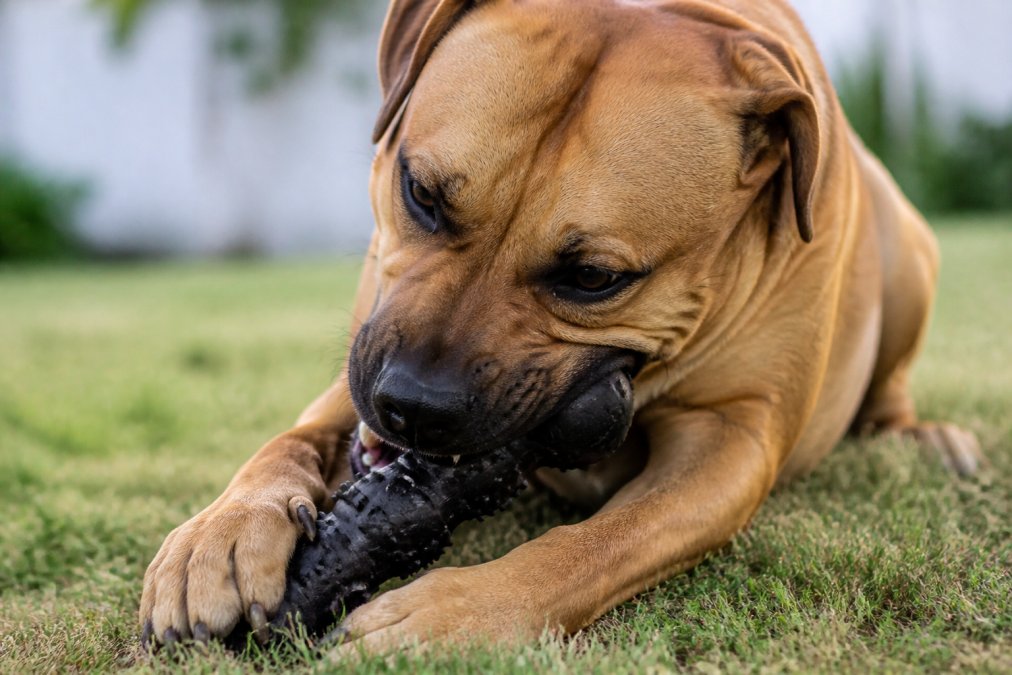
Signs your dog is an aggressive chewer include: they demolish soft toys quickly, they seek out toys specifically to destroy them, they apply visible jaw pressure and shaking motions, and they often swallow fragments. Breeds like pit bulls, rottweilers, German shepherds, and mastiffs tend toward aggressive chewing, though individual temperament matters more than breed alone.
If you have an aggressive chewer, standard rubber toys and fabric toys won't survive. You need materials engineered for chew strength: thick natural rubber, reinforced nylon, or specialized composite materials designed to resist puncture and tearing.
Light chewers versus destructive behavior
Light chewers interact with toys through gentle gnawing, carrying, or interactive play rather than attempting to destroy them. Destructive behavior, however, often stems from anxiety, boredom, or insufficient enrichment rather than chewing intensity alone.
Understanding this distinction matters because it changes your strategy. If your dog is a light chewer, you can prioritize interactive toys and puzzle toys. If your dog shows destructive behavior due to anxiety or boredom, you need toys that survive intense use while also addressing the root cause through training, exercise, and mental engagement.
Safest Materials for Dog Chew Toys
Material choice determines whether a toy will last weeks or years, and whether it poses toxicity risks to your dog.
Natural rubber and non-toxic options
Natural rubber is one of the most durable and safest materials for dog toys. It resists puncture better than synthetic rubber, doesn't splinter or crack easily, and holds up to aggressive chewing. Natural rubber toys also tend to last longer before showing significant wear, making them cost-effective over time.
The key word is "natural." Synthetic rubber and PVC can contain harmful chemicals that leach into your dog's mouth during chewing. Natural rubber toys, when sourced from reputable manufacturers, avoid these risks while delivering superior durability.
Other genuinely safe materials include nylon reinforced with fiberglass, composite materials specifically designed for pet safety, rope toys with tightly woven multi-layer fabric construction, and felt or canvas toys with reinforced stitching. The common thread: these materials don't break down into small, swallowable pieces.
What to avoid: BPA-free and phthalate-free standards
"BPA-free" and "phthalate-free" labels are important minimum standards, but they're not guarantees of safety. A toy can be BPA-free and still contain other harmful substances. The safest approach is to research the manufacturer's full material disclosure.
Avoid toys made from thin PVC or vinyl, untreated plastic or low-grade polymers, toys with loose dyes or coatings, and materials with unknown chemical composition. When evaluating durable dog toys, look for manufacturers who disclose their full material sourcing and testing standards.
Durable Dog Toys for Aggressive Chewers
Aggressive chewers need toys engineered specifically for their behavior. Standard toys fail because they weren't designed to withstand sustained, forceful jaw pressure.
Reinforced seams and multi-layer fabric construction
Toys with reinforced seams survive longer than toys with single-stitch construction. Look for toys that use double or triple stitching, especially at stress points where your dog's teeth naturally focus. Multi-layer fabric construction distributes pressure across multiple materials rather than concentrating it at one point.
The seams are the first place toys fail. When inspecting a toy before purchase, check the stitching quality. Loose stitches or thin thread indicate the toy will fail quickly. High-quality toys use heavy-duty thread and tight, consistent stitching patterns.
Multi-layer construction also prevents your dog from reaching inner stuffing or core material. The best durable dog toys have sealed inner chambers that can't be accessed even if the outer layer is damaged.
Toughness ratings and chew strength testing
Some manufacturers provide toughness ratings or chew strength testing data. A toy rated for "extreme chewers" or "heavy-duty use" has typically been tested against actual chewing forces. Look for toys that specify materials tested for puncture resistance, tear resistance, and durability under sustained use.
Real-world durability depends on your dog's specific jaw pressure. The best approach is to start with a toy designed for aggressive chewers, monitor it closely during the first week of use, and assess whether it's holding up to your specific dog's chewing intensity.
How to Size Dog Toys Correctly
Toy size matters more than many pet owners realize. A toy that's too small poses a choking hazard; a toy that's too large might not engage your dog's interest.
Matching toy size to muzzle size and throat opening
The safest rule: a toy should be too large to fit entirely into your dog's mouth. If your dog can close their mouth completely around a toy, it's too small. The toy should extend beyond the sides of the mouth so your dog can grip and chew without the risk of swallowing it whole.
To determine the right size, measure your dog's muzzle length and width. A toy should be at least as wide as your dog's muzzle is long. For example, if your dog's muzzle is 3 inches long, the toy should be at least 3 inches wide at its narrowest point.
Preventing choking hazards and swallowing risks
Choking happens when a piece of toy material lodges in the throat and blocks the airway. To minimize these risks, choose toys without small detachable parts, avoid toys with long strings or ropes, select toys that don't splinter or break into sharp fragments, and monitor your dog during play.
Supervision during play is your first line of defense. If a toy shows tears, loose stitching, or missing chunks, remove it immediately.
Signs a Dog Toy Needs to Be Replaced
Regular inspection prevents choking hazards and ingestion risks. Most toy failures progress through visible stages of wear and tear.
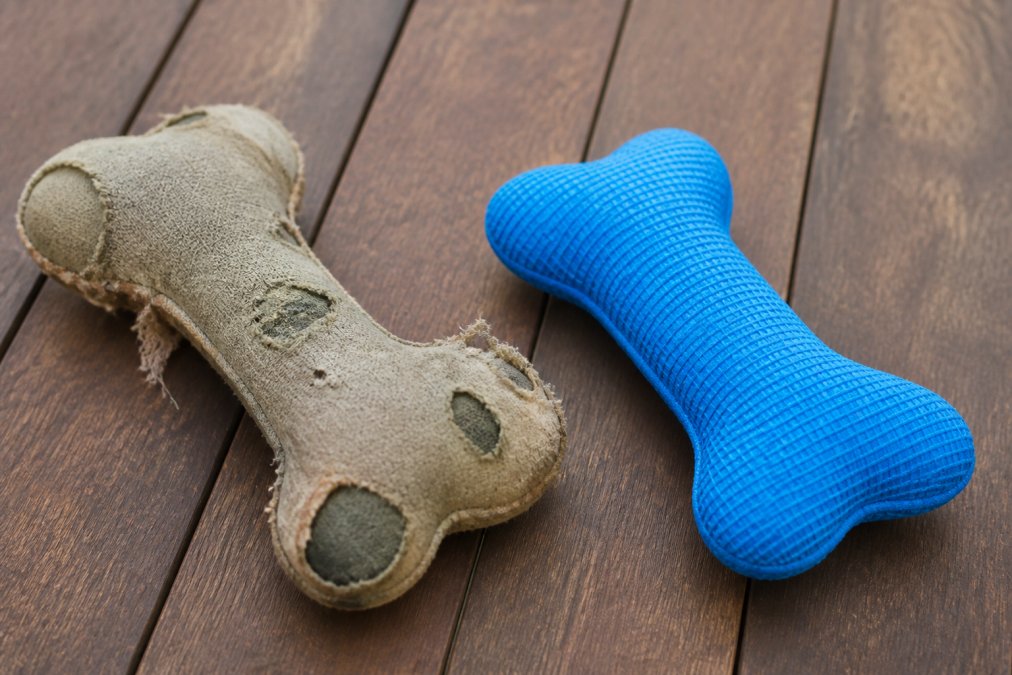
Replace a toy immediately if you notice visible tears or holes larger than a pencil eraser, loose or unraveling stitching, chunks missing from the toy, exposed inner materials, cracks or splintering in rubber or plastic toys, discoloration or sticky residue, or toys that have been in use for more than 6-12 months depending on chewing intensity.
Don't wait for a toy to completely fall apart. Replacing toys before they become hazardous is cheaper than an emergency vet visit.
Supervised Versus Unsupervised Play
The level of supervision you provide changes which toys are safe to leave with your dog. Supervised play allows you to intervene immediately if a toy breaks or your dog shows signs of choking.
Unsupervised play requires toys that are virtually indestructible and pose minimal risk if pieces are swallowed. These toys should have no small parts, no loose stitching, and materials that won't splinter or break into dangerous fragments. Rubber toys and solid nylon toys are better choices for unsupervised play than rope toys or toys with multiple layers.
Many pet owners use different toy sets for supervised and unsupervised play. Interactive toys and enrichment toys are reserved for when you're present. Durable, simple toys designed to withstand chewing without breaking are left out during crate time or when you're away.
Budget-Friendly Durability: Testing Toys Before You Buy
You don't need to spend premium prices to find durable dog toys, but you do need to evaluate toys critically before committing to a full set. Start by purchasing one toy from a new brand or material type and use it under supervision for a full week.
When evaluating durability, consider cost per week of use, not just upfront price. A toy that costs twice as much but lasts three times longer is actually cheaper. Calculate roughly how long a toy lasts under your dog's chewing intensity, then divide the cost by the number of weeks.
Pet-MALL's curated selection includes toys vetted for durability across different chewing intensities and play styles. Rather than guessing which toys will work, you can rely on products specifically chosen for their ability to withstand real-world use.
| Toy Type | Best For | Durability | Supervision Required |
|---|---|---|---|
| Natural rubber toys | Aggressive chewers | Months to years | Minimal |
| Reinforced nylon toys | Heavy chewers | 3-6 months | Minimal |
| Rope toys | Light to moderate chewers | 2-4 months | Required |
| Puzzle/interactive toys | Mental enrichment | Varies | Required |
| Fabric toys with reinforced seams | Moderate chewers | 1-3 months | Minimal |
Choosing durable dog toys that match your dog's chewing style, size, and play preferences prevents injuries, reduces waste, and keeps your pet mentally engaged. Pet-MALL's carefully curated collection makes finding the right toys easier, with products selected specifically for durability, safety, and enrichment value. Explore options that fit your dog's specific needs and start building a toy collection that actually lasts.
Frequently Asked Questions
What materials are safest for durable dog toys?
Natural rubber, reinforced nylon, and multi-layer fabric are among the safest materials for durable dog toys. Look for toys labeled BPA-free and phthalate-free to avoid harmful chemicals. Avoid toys with small parts that could become choking hazards. Check toy packaging for safety certifications and veterinary approval. Toys made from non-toxic rubber and tear-resistant stitching withstand aggressive chewing while protecting your dog from ingestion of toy fragments.
How do I choose the right size toy for my dog's chewing style?
Size matters for preventing choking hazards. The toy should be larger than your dog's throat opening and muzzle size. A good rule: your dog should not be able to fit the entire toy in its mouth. For aggressive chewers, choose toys designed for their weight range and jaw pressure. Puppies teething need smaller, softer toys, while adult heavy chewers need reinforced, larger options. Always supervise play with new toys to ensure proper sizing.
What are the signs a dog toy needs to be replaced?
Replace toys immediately if you notice tears, loose stitching, or visible wear and tear. Watch for small pieces coming off during play, as these pose a swallowing risk. If the toy's reinforced seams are compromised or the material is flaking, discard it. Toys that have been chewed down significantly or show signs of deterioration should be removed. Regular inspection during interactive play helps you catch damaged toys before they become a choking hazard.
Are there truly indestructible dog toys for heavy chewers?
No toy is completely indestructible, but heavy-duty options designed for aggressive chewers last significantly longer. Look for toys with reinforced seams, multi-layer construction, and natural rubber cores. Toys tested for high toughness ratings and designed to withstand strong jaw pressure offer the best durability. Even the most durable toys require supervision and regular inspection. Rotating toys and removing damaged ones promptly extends the lifespan of your toy collection and keeps your dog safe.
This article was written using GrandRanker
Shop General Pet Care & Behavior: Browse our General Pet Care & Behavior collection for products picked to match what you just read.