


Why Premium Pet Toys Last Longer
Table of Contents
- Why Premium Pet Toys Last Longer
- Durable Dog Toy Materials That Withstand Aggressive Chewing
- Construction Quality and Manufacturing Standards
- Signs of Wear and Tear in Pet Toys
- Material Toxicity and Safety Considerations
- Cost-Benefit Analysis of Pet Toys
- Maintenance and Cleaning Protocols for Longevity
- Matching Toy Types to Your Pet's Breed and Chewing Habits
Last Updated: August 16, 2026
Why Premium Pet Toys Last Longer
The difference between a toy that lasts two weeks and one that lasts two months comes down to material science, manufacturing precision, and structural design. Premium pet toys last longer because they're engineered with materials that resist degradation, built with reinforced construction methods, and tested against real-world chewing forces that cheaper alternatives never encounter.
Most pet owners discover this the hard way. A dog destroys an inexpensive toy within days, and the owner assumes their pet is simply too aggressive. The real issue is material integrity. When you compare a premium toy side by side with a budget option, the difference becomes obvious: thicker walls, denser rubber compounds, reinforced stitching, and materials chosen specifically for their ability to withstand impact and abrasion.
At Pet-MALL, we've analyzed what separates toys that hold up from those that fall apart. The answer isn't mystery. It's measurable. Premium pet toys last longer because manufacturers invest in better raw materials, more rigorous quality control, and construction techniques that budget brands skip entirely. Understanding these differences helps you make smarter purchasing decisions and actually save money over time.
Durable Dog Toy Materials That Withstand Aggressive Chewing
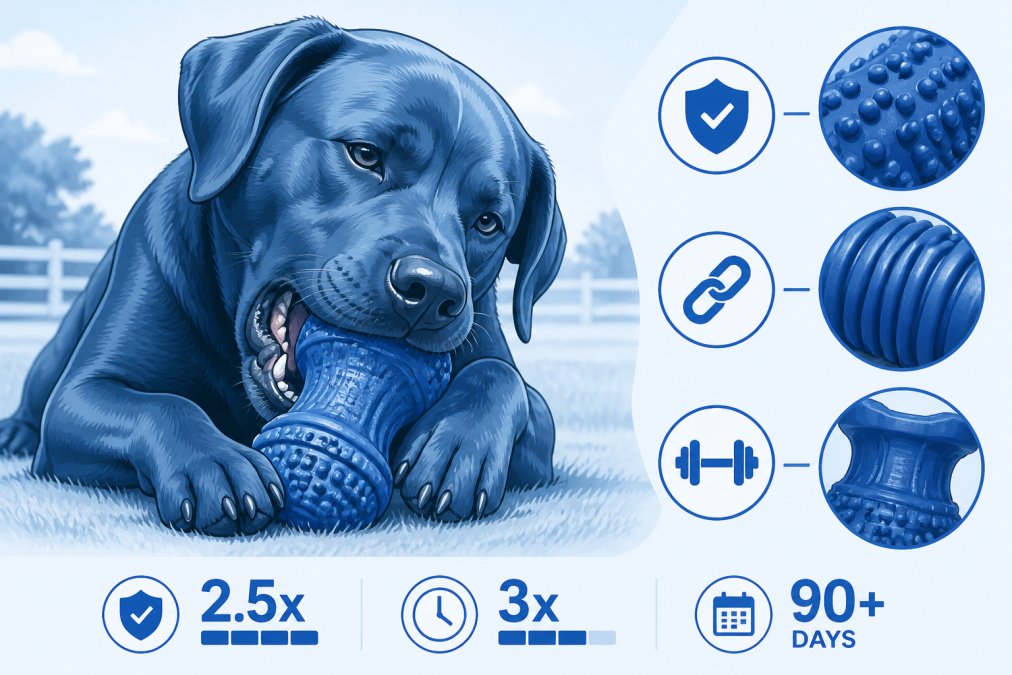
The material you choose determines how long a toy survives. Durable dog toy materials fall into distinct categories, each with different performance characteristics and appropriate use cases. The best materials combine tensile strength, flexibility, and resistance to puncturing and tearing.
Natural Rubber vs. Synthetic Alternatives
Natural rubber offers exceptional durability and is often the gold standard for toys designed to withstand aggressive chewing. It's harvested from rubber trees and processed into dense compounds that resist tearing. Natural rubber has inherent elasticity, meaning it bounces back after being compressed or bitten rather than permanently deforming. This property extends product longevity significantly.
Synthetic alternatives like thermoplastic elastomer and synthetic rubber compounds provide similar benefits but with different cost structures. Synthetic options can be engineered to specific performance targets. A manufacturer can create a synthetic compound optimized for impact resistance or tensile strength depending on the toy's intended use. The trade-off is that some synthetic materials degrade faster under UV exposure or with repeated stress cycles.
What most guides miss is that "natural" doesn't automatically mean better. A poorly formulated natural rubber toy can fail faster than a well-engineered synthetic compound. The quality of material processing matters more than the raw material source. Premium manufacturers test both options and choose based on performance data, not marketing appeal.
Thermoplastic Elastomer and Impact Resistance
Thermoplastic elastomer (TPE) represents a significant advancement in toy durability. TPE combines the flexibility of rubber with the processing advantages of plastic. It can be molded into complex shapes, reinforced with internal structures, and engineered for specific stress points.
TPE's impact resistance comes from its molecular structure. When a dog bites or a toy hits a hard surface, TPE absorbs energy rather than transferring it directly to weak points. This energy absorption prevents sudden failure. Materials with poor impact resistance crack or split when stressed. TPE distributes that stress across the entire structure, extending the toy's usable life substantially.
Temperature stability also matters. Premium TPE maintains its flexibility in cold conditions and doesn't become brittle. Budget materials often become hard and inflexible in winter, making them more prone to cracking. A toy that remains flexible year-round experiences less structural stress.
Construction Quality and Manufacturing Standards
How a toy is built matters as much as what it's made from. Premium manufacturers follow rigorous construction protocols that budget producers skip. These protocols directly impact how long a toy survives real-world use.
Reinforced Stitching and Structural Integrity
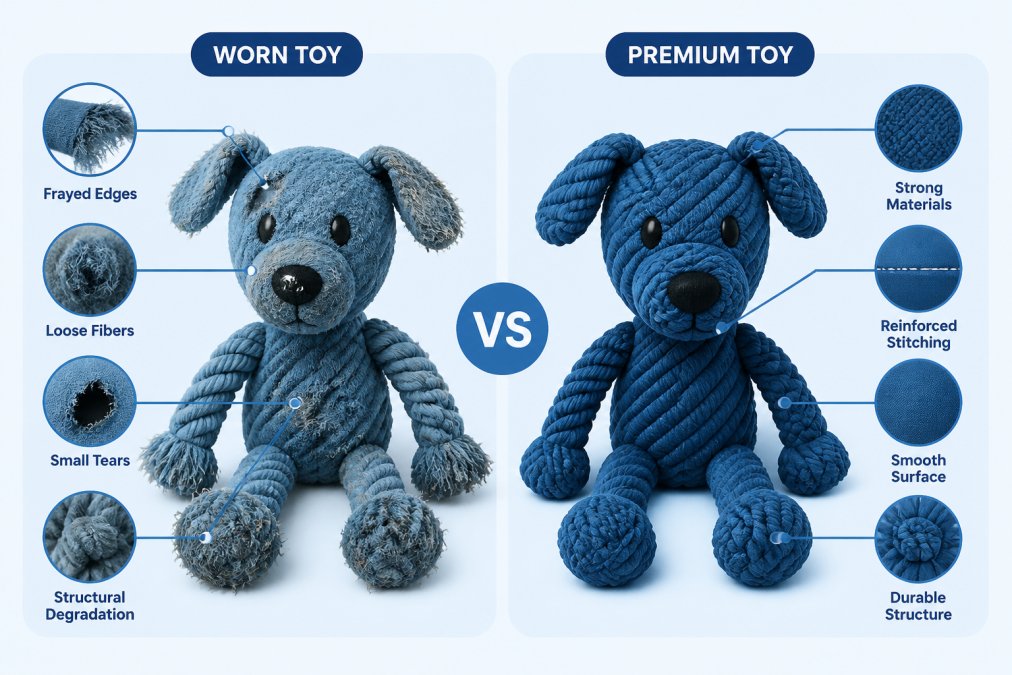
Reinforced stitching is where durability often gets decided. Budget toys use single-pass stitching with thin thread. Premium toys use multiple-pass stitching with heavy-duty thread, often with cross-stitching at stress points. The seams on a premium toy can handle forces that would immediately tear apart cheaper alternatives.
Structural integrity also depends on how internal components are attached. Premium toys often have reinforced attachment points where handles, squeakers, or other elements connect to the main body. These points experience concentrated stress during play. A single weak attachment point can cause the entire toy to fail.
Quality manufacturers also consider stress distribution during design. Instead of creating a toy with thin walls everywhere, they strategically thicken walls at high-stress areas. A toy designed this way can survive aggressive chewing because the forces are distributed to reinforced sections rather than weak points.
Manufacturing standards create measurable differences. Toys produced under strict quality control have consistent wall thickness, proper material curing, and thorough inspection before shipping. Toys made without these standards have inconsistent quality. One unit might last months while an identical-looking unit fails in weeks.
Signs of Wear and Tear in Pet Toys
Recognizing early signs of degradation helps you replace toys before they become hazards. Material integrity begins failing before visible damage appears. Knowing what to look for extends your pet's safety and prevents choking incidents.
Structural degradation starts at stress points. Seams separate slightly before they fully tear. Material becomes discolored in areas experiencing repeated stress. Rubber begins showing micro-cracks invisible to casual inspection. These early signs indicate the toy is approaching the end of its usable life.
Visible damage like tears, loose fibers, or missing pieces means the toy has already failed structurally. At this point, replacement is immediate, not optional. Loose fibers pose choking hazards. Torn sections can expand with chewing, creating sharp edges. A toy in this condition belongs in the trash.
Texture changes indicate material breakdown. If a toy becomes sticky, develops a chalky surface, or feels softer than it did originally, the material is degrading. These changes happen faster with budget toys because the material compounds are less stable. Premium materials maintain consistent texture throughout their usable life.
When to Replace Damaged Toys
Replace a toy immediately if it shows structural failure. Tears, separated seams, missing pieces, or loose components mean the toy is no longer safe. Don't wait for additional damage. A toy that's started failing will continue deteriorating rapidly.
Replace toys showing advanced material degradation. If a toy is sticky, chalky, or has developed an unusual smell, the material is breaking down chemically. This degradation can leach compounds into your pet's mouth. Replacement is the only safe option.
Replace toys if your pet has swallowed pieces. Even if the toy looks mostly intact, it's compromised. Swallowed material can cause intestinal blockages. Once you know your pet has ingested toy material, that toy is no longer safe for use.
The replacement cycle for premium toys extends significantly compared to budget alternatives. A premium toy might last 3-6 months with daily use from an aggressive chewer. A budget toy might last 2-4 weeks. This extended lifespan reduces the total cost of toy ownership despite higher per-unit pricing.
Material Toxicity and Safety Considerations
Material safety goes beyond durability. The compounds used in toy manufacturing can leach into your pet's mouth during chewing. Understanding material toxicity helps you choose toys that won't harm your pet's health.
Non-toxic materials are essential. Some budget toy manufacturers use fillers or colorants containing heavy metals or harmful chemicals. When a dog chews these toys, small amounts of these compounds enter the mouth and are ingested. Over time, this exposure accumulates.
Premium manufacturers use food-grade or pharmaceutical-grade materials. These materials meet strict standards for safety even if ingested. The compounds won't leach harmful substances. This doesn't mean the material is edible, but rather that it's been tested and proven safe for contact with mouths and digestive systems.
Chemical leaching accelerates with material degradation. A toy that's breaking down releases more compounds than an intact toy. This is another reason replacing damaged toys immediately matters. A degraded toy poses greater toxicity risk than a new toy, regardless of the original material quality.
Manufacturing processes matter for safety. How materials are processed, cured, and finished affects what compounds remain in the final product. Premium manufacturers use controlled processes that minimize residual chemicals. Budget manufacturers often use faster processes that leave higher residual chemical levels.
Cost-Benefit Analysis of Pet Toys
Evaluating toy value requires looking beyond the initial purchase price. The true measure is how much value you get from each dollar spent. This is where premium toys demonstrate clear advantages.
Calculating Cost-Per-Play Value
Cost-per-play is a practical metric for comparing toy value. Calculate it by dividing the toy's price by the estimated number of play sessions it will survive. A toy costing $20 that lasts for 200 play sessions has a cost-per-play of $0.10. A toy costing $5 that lasts 20 play sessions also has a cost-per-play of $0.25.
This metric reveals that premium toys often deliver better value than budget alternatives. The higher upfront cost is offset by extended lifespan. If you're buying toys every two weeks versus every two months, the total annual spending on premium toys is typically lower.
Replacement frequency also affects your time and effort. Buying a toy every two weeks requires constant shopping trips or online orders. Buying a toy every two months is more convenient and less disruptive to your pet's play routine. Consistency in toy availability improves enrichment outcomes.
Safety costs matter too. A toy that breaks down and causes a choking incident or intestinal blockage creates veterinary expenses far exceeding the toy's original price. Premium toys reduce this risk substantially. The cost of a single veterinary emergency often exceeds the annual toy budget for premium options.
Maintenance and Cleaning Protocols for Longevity
How you care for toys directly impacts their lifespan. Proper maintenance extends durability and maintains material integrity. Simple cleaning protocols prevent degradation from environmental factors.
Regular rinsing removes saliva and bacteria. Saliva contains enzymes that can degrade certain materials over time. Rinsing with fresh water after play sessions removes this biological material. This simple step extends toy lifespan noticeably.
Deep cleaning should happen weekly. Use warm water and mild soap. Avoid harsh chemicals that can degrade material compounds. Rinse thoroughly to remove all soap residue. Air dry completely before returning the toy to your pet. Moisture trapped inside a toy promotes mold growth and material degradation.
UV exposure degrades rubber and synthetic materials. Store toys indoors or in shaded areas. Don't leave toys sitting in direct sunlight for extended periods. This is especially important during summer months when UV intensity is highest. Premium materials resist UV degradation better than budget materials, but protection still matters.
Temperature fluctuations stress material compounds. Avoid storing toys in extreme heat or cold. A garage that reaches 120 degrees in summer or drops below freezing in winter accelerates material breakdown. Climate-controlled storage extends toy lifespan significantly.
Inspect toys regularly during cleaning. Look for early signs of degradation. Address small tears or separated seams immediately by removing the toy from rotation. This prevents minor damage from becoming major failure.
Matching Toy Types to Your Pet's Breed and Chewing Habits
Different dogs have different play styles and chewing intensities. Matching toy type to your pet's characteristics ensures the toy survives actual use. A toy designed for gentle play won't survive aggressive chewing, no matter how premium the materials.
Aggressive chewers need toys designed specifically for high-force applications. These toys use thicker walls, reinforced seams, and impact-resistant materials. They're engineered to handle sustained chewing pressure. Toys designed for moderate chewers will fail quickly with aggressive chewers.
Size matters significantly. A toy too small for your dog can become a choking hazard. A toy too large for your dog's mouth can't be properly engaged during play. Proper sizing ensures your pet can interact with the toy safely and effectively. Premium manufacturers offer size-specific options because they understand this relationship.
Play style influences toy selection. Some dogs prefer toys they can carry and shake. Others prefer toys they can chase or toys that dispense treats. Some dogs enjoy toys with interactive elements. Matching the toy type to your pet's preferred play style increases engagement and extends useful lifespan because the toy gets used more intentionally.
Breed tendencies also guide selection. Larger breeds with powerful jaws need more durable materials than smaller breeds. Breeds with high prey drive might prefer toys that simulate prey movement. Breeds that enjoy retrieving benefit from toys designed for throwing and fetching. Understanding your breed's characteristics helps you choose toys that will actually survive regular use.
The enrichment factor matters. A toy that matches your pet's interests gets used more consistently. Consistent use with a durable toy extends the toy's lifespan compared to toys that sit unused. Premium toys from Pet-MALL are selected specifically to match different play styles and breed characteristics, ensuring your investment delivers both durability and engagement.
Choosing premium pet toys is ultimately an investment in your pet's safety, happiness, and your own convenience. The materials, construction methods, and design principles that make premium toys last longer also make them safer and more engaging. When you understand what separates durable toys from those that fail quickly, the value proposition becomes clear. Pet-MALL's curated selection of premium toys is built on these same principles, offering toys that withstand aggressive chewing, maintain material integrity over months of use, and provide genuine enrichment for your pet. Shop with confidence knowing your pet deserves toys engineered to last.
Frequently Asked Questions
What materials make a dog toy truly durable?
The most durable dog toys use natural rubber, thermoplastic elastomer (TPE), or reinforced synthetic fibers designed to resist puncturing and tearing. These materials are chosen for their tensile strength and ability to withstand aggressive chewing without breaking down quickly. Premium toys also feature reinforced stitching and bonded seams that prevent unraveling, which is a common failure point in cheaper alternatives.
How often should you replace dog toys?
Replace toys when you notice material degradation, loose fibers, sharp edges, or structural damage that could pose choking hazards. Premium toys typically last months with daily use, while budget toys may need replacement within weeks. The replacement cycle depends on your dog's chewing intensity, the toy's material composition, and how well you maintain it. Inspect toys weekly for safety.
Are expensive dog toys actually safer for pets?
Premium pet toys are generally safer because they undergo stricter manufacturing standards, use non-toxic materials, and avoid chemical leaching. They're designed to resist structural degradation that creates sharp edges and choking hazards. However, price alone doesn't guarantee safety, look for toys that meet ASTM standards and are made from verified non-toxic materials rather than assuming cost equals quality.
What is the cost-benefit of investing in premium pet toys?
Premium toys cost more upfront but deliver better value through longer replacement cycles and reduced waste. Calculating cost-per-play, dividing the toy's price by estimated play sessions before replacement, often shows premium toys are cheaper long-term than repeatedly buying budget alternatives. Additionally, durable toys reduce safety risks, boredom-related behavioral issues, and the frustration of constant replacements.
This article was written using GrandRanker