


How to Travel With a Cat: Complete 2026 Guide
Table of Contents
- Preparing Your Cat for Travel
- Choosing the Best Cat Carriers for Travel
- Crate Training and Desensitization
- How to Calm a Cat for Travel
- Flying With a Cat: Requirements and TSA Screening
- Road Trip With a Cat Checklist
- Post-Travel Decompression and Acclimation
- Conclusion
Last Updated: August 22, 2026
Preparing Your Cat for Travel
Traveling with a cat requires preparation to ensure a smooth trip. Start at least four to six weeks before departure to give your cat time to adjust mentally and physically (aafco.org).
Schedule a veterinary consultation to discuss your travel plans. Your vet will assess your cat's health, check vaccination status, evaluate fitness for the journey, and discuss anxiety medications if needed. Ask about microchipping if your cat isn't already chipped, a microchip dramatically increases recovery chances if your cat escapes during travel. Ensure your cat has proper ID tags with your name, phone number, and current address. Update medical records and vaccination documentation before traveling, especially if crossing state lines or traveling internationally, as some airlines and destinations require health certificates issued within a specific timeframe.
Choosing the Best Cat Carriers for Travel
The carrier you select is critical, it's your cat's safe space during the journey. Hard-sided carriers offer superior protection during accidents and are easier to clean, though soft-sided carriers are lighter and more portable. For air travel, hard-sided carriers are generally recommended as they meet airline safety standards.
Carrier dimensions matter significantly for air travel. Airlines typically require carriers around 17-18 inches long, 12 inches wide, and 12 inches tall for cabin travel (tsa.gov). Your carrier should be large enough for your cat to turn around, stand up, and lie down comfortably, but not so large that your cat gets thrown around during movement. Verify carrier compliance with TSA and airline regulations before purchasing, as requirements vary by airline.
Consider carriers with removable, washable liners for easy cleanup if your cat has accidents during travel. Top-opening carriers make it easier to gently place your cat inside without forcing them through a small front opening. For road trips, ensure the carrier fits securely in your vehicle and won't slide around during sudden stops.
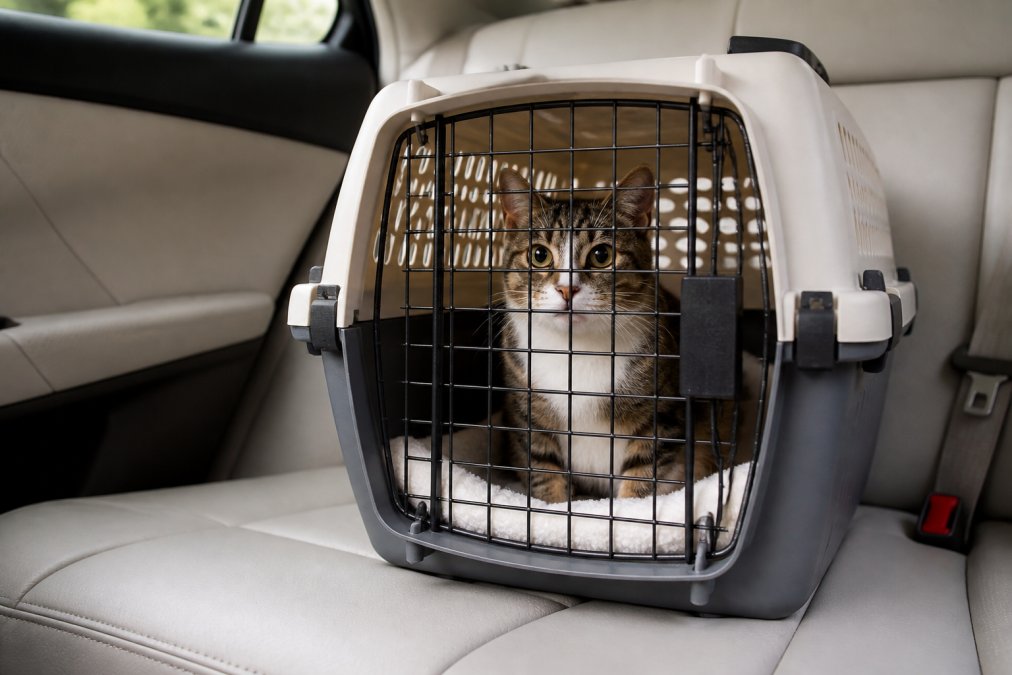
Pet-MALL offers a curated selection of premium cat carriers designed specifically for travel, with options for both air and road trips. Their carriers combine durability with comfort features like ventilation panels and removable pads, making them reliable choices for cats of all temperaments.
Crate Training and Desensitization
Most cats view carriers with suspicion or fear, so gradual acclimation can dramatically reduce anxiety during actual travel. Start by leaving the carrier open in your home several weeks before your trip in a common area where your cat spends time. Place a favorite blanket or toy inside to make it inviting.
Use positive reinforcement to build positive associations. Reward your cat with treats and praise whenever they voluntarily enter the carrier. Feed treats or small meals near the carrier, gradually moving food inside over several days. Once your cat is comfortable entering voluntarily, close the door briefly while you're present, then immediately open it and reward them. Gradually extend the duration.
Progress to short practice trips around your home or neighborhood. Drive for just five or ten minutes before returning home, keeping these trips positive with treats and calm behavior. Gradually increase trip duration. This real-world practice exposes your cat to vehicle movement, engine sounds, and road vibrations in a controlled environment. Never punish your cat for anxiety, instead, maintain a calm demeanor yourself, as cats pick up on your anxiety.
How to Calm a Cat for Travel
Even well-prepared cats experience some stress during travel. Pheromone sprays mimic natural calming pheromones that cats produce themselves, signaling safety and familiarity. Spray the carrier interior about 15 minutes before placing your cat inside. Calming supplements containing L-theanine or chamomile can help reduce anxiety when given 30-60 minutes before travel. Consult your veterinarian about appropriate supplements and dosage.
Create a calm environment inside the carrier by covering it with a light blanket on three sides, leaving one side open for ventilation. This den-like environment reassures many cats. Maintain a consistent, calm tone of voice when speaking to your cat during travel. Keep the vehicle temperature moderate and never leave your cat unattended in a vehicle.
Plan stops every two to three hours on longer trips to offer water and check on your cat, but keep the carrier closed unless in a completely secure location.
Flying With a Cat: Requirements and TSA Screening
Most airlines require a health certificate issued by a veterinarian within ten days of your flight, confirming your cat is healthy enough to fly and documenting current vaccinations (faa.gov). Ensure your cat's rabies vaccination is current, as this is the most commonly required vaccination. Keep vaccination records in a separate, easily accessible folder.
Most cats travel in the cabin with you, where they remain in their carrier under the seat in front of you. This is the safest option because you can monitor them throughout the flight. Cargo travel is generally more stressful and should be avoided unless absolutely necessary. Airlines limit the number of pets allowed in the cabin per flight, typically one to two cats, and charge pet fees that vary by carrier.
Arrive extra early on your flight day, many TSA agents recommend three to four hours before departure when traveling with pets. Your cat will remain in their carrier during screening, though TSA agents may briefly remove your cat for visual inspection. Keep health certificates and vaccination records easily accessible in your carry-on.
Road Trip With a Cat Checklist
Pack a collapsible water bowl and food bowl, enough of your cat's regular food for the entire trip plus extras, any medications your cat takes regularly, and a basic first aid kit. Include a recent photo of your cat on your phone or printed in your travel documents. Bring your cat's medical records and vaccination documentation, and pack comfort items like your cat's favorite blanket or toy.
A portable, collapsible litter box provides familiar bathroom facilities during stops. Set it up in a quiet, private area during stops, never in the vehicle while driving. Offer water regularly during travel, even if your cat doesn't seem interested. Never leave your cat unattended in the vehicle, even briefly, as temperatures rise dangerously within minutes.
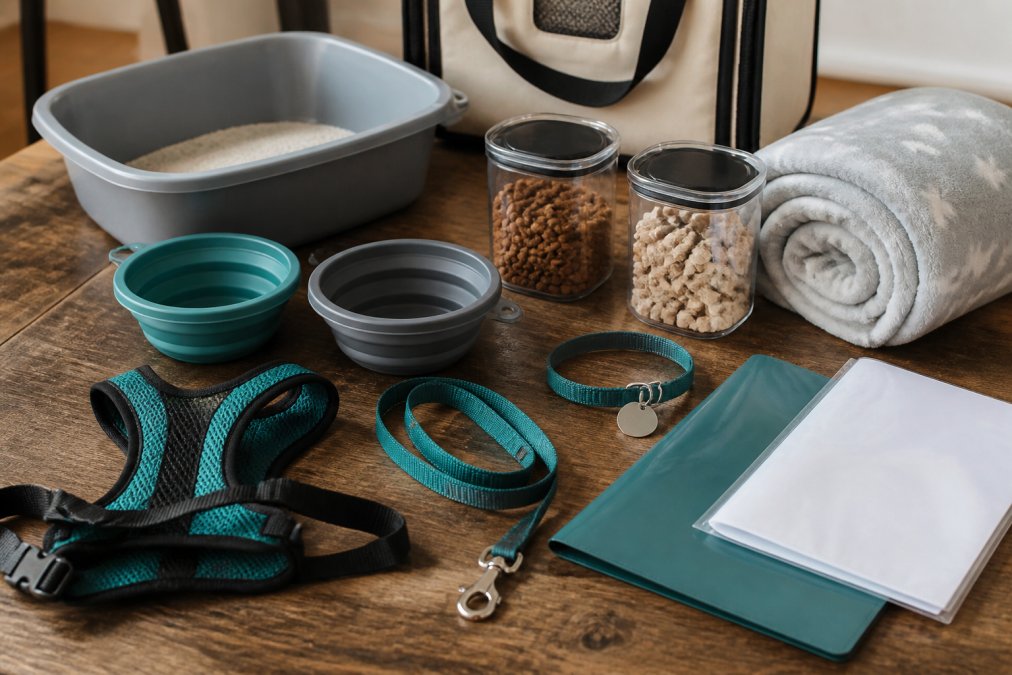
Plan your route to include pet-friendly hotels or accommodations. Call ahead to confirm pet policies and reserve a pet-friendly room. When you arrive, set up the litter box immediately in a designated bathroom or quiet area.
Post-Travel Decompression and Acclimation
When you arrive at your destination, create a quiet, secure room where your cat can decompress. This room should contain the litter box, food and water bowls, and familiar comfort items. Close the door and let your cat acclimate at their own pace. Many cats need several hours or a full day to adjust before exploring.
Set up the litter box away from food and water bowls. Maintain your cat's regular feeding schedule to provide familiar routine during an unfamiliar situation. Spend quiet time with your cat in this decompression room, using gentle petting and calm conversation. Don't force interaction if your cat seems withdrawn or anxious.
After 24-48 hours, gradually expand your cat's access to other areas of your accommodation, opening one door at a time. Watch for behavioral changes like loss of appetite, excessive vocalization, litter box avoidance, or unusual aggression, which can signal stress or illness. If these behaviors persist beyond 48 hours, contact a local veterinarian.
Traveling with a cat presents manageable challenges with proper preparation and the right supplies. The difference between a successful trip and a stressful one comes down to planning ahead, understanding your cat's individual needs, and investing in quality gear. Pet-MALL provides premium travel carriers, portable litter solutions, and other essentials specifically designed for cats on the move. Start preparation weeks in advance, work through desensitization gradually, and prioritize your cat's comfort at every stage.
Frequently Asked Questions
How long can a cat safely ride in a car?
Most cats can travel comfortably for 2-3 hours before needing a break. For longer road trips, plan to stop every 2-3 hours to let your cat use the litter box, stretch, and hydrate. Never leave a cat unattended in a vehicle, especially in warm weather. If traveling more than 8 hours, consider breaking the trip into two days. Always keep the carrier secure and the car temperature controlled.
What documents do I need for flying with a cat?
Flying with a cat requires a health certificate issued by your veterinarian within 10 days of travel. You'll also need vaccination records, especially proof of rabies vaccination. Some airlines have additional pet policy requirements, so check directly with your carrier. If traveling internationally, research destination country import regulations, many require microchipping and additional documentation. Keep digital copies of all documents accessible during your trip.
What is the 3-3-3 rule for cats when traveling?
The 3-3-3 rule describes how cats adjust to new environments: 3 days to decompress and hide, 3 weeks to learn the layout and routines, and 3 months to fully settle. When traveling, this means your cat may seem stressed or withdrawn for the first few days. Minimize handling, provide a quiet space, and maintain familiar routines. This is normal behavioral adjustment, not a sign something is wrong. Patience during this acclimation period helps your cat feel secure faster.
How do I prepare my cat for travel?
Start by scheduling a veterinary consultation 4-6 weeks before travel to ensure your cat is healthy and up-to-date on vaccinations. Microchip your cat and attach ID tags to the carrier. Begin crate training 2-3 weeks ahead using positive reinforcement, place treats and toys inside to create positive associations. Practice short car rides to reduce anxiety. Update your emergency contact information and carry vaccination records. Consider pheromone spray or calming supplements recommended by your vet to manage travel-related stress.
What are the best cat carriers for travel?
Hard-sided carriers offer better protection and durability for air travel, while soft-sided carriers provide comfort and flexibility for car trips. Choose a carrier with proper ventilation, secure latches, and dimensions that meet airline requirements (typically 17-19 inches long). Ensure your cat has enough space to stand, turn, and lie down comfortably. Look for carriers with removable, washable pads and easy-access doors for TSA screening. Quality carriers from established pet retailers tend to last longer and handle the wear of frequent travel better than budget alternatives.
How can I keep my cat calm during travel?
Use pheromone spray (like Feliway) on bedding 15 minutes before travel to reduce anxiety. Consult your veterinarian about calming supplements or mild sedation if your cat has severe travel anxiety. Maintain a consistent routine, feed at regular times and provide familiar toys and bedding. Keep the environment quiet and avoid sudden movements. For car travel, keep the carrier secure and the temperature comfortable. Some cats respond well to soft music or white noise. Never punish fearful behavior; instead, reward calm behavior with treats and gentle praise.
What should I pack for a road trip with a cat?
Pack a portable litter box, litter, and waste bags for bathroom breaks. Bring collapsible water and food bowls, enough food for the trip plus extra, and any medications your cat takes. Include a leash and harness for safe outdoor breaks. Pack a first-aid kit, vaccination records, and emergency contact information. Bring familiar toys, blankets, or bedding to reduce stress. Ensure the carrier is secure with proper ventilation. Don't forget ID tags, a microchip scanner, and a recent photo of your cat in case of emergency. Keep supplies organized in a travel bag for easy access.
Can I leave my cat alone during travel stops?
Never leave your cat unattended in a vehicle, even for short periods. Cars heat up or cool down dangerously fast, risking your cat's health or life. During rest stops, take your cat out of the carrier on a harness to use the litter box and stretch. If you must stop longer, consider bringing your cat into a pet-friendly hotel or rest area rather than leaving them in the car. Always supervise outdoor time, use a harness and leash to prevent escape or injury. For longer trips, plan stops every 2-3 hours to check on your cat's comfort and hydration.
This article was written using GrandRanker